



















































































































































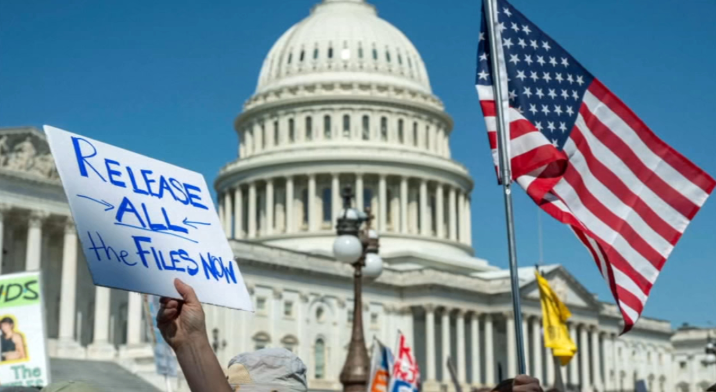
The Epstein Files Transparency Act was passed on November 19, 2025. The act required the United States Attorney General to release all the Epstein files to the public and give Congress an unredacted list of all government officials listed in the files within 30 days.
The Epstein Files contain a comprehensive collection of documents, emails, videos, and other materials related to Jeffrey Epstein’s criminal activity involving the sexual abuse and trafficking of women, some being under the age of 18. The act was passed to identify those involved with Epstein in order to bring justice to the victims.
The first batch of The Epstein Files was released on December 19, which caused outrage since the release did not fulfill the requirements of the Transparency Act. Many of the documents were redacted, and there were still many files not released.
Many expected the controversy would come to an end on January 30, when 3.5 million new files were released. According to Politico, Attorney General Todd Blache said they had finally fulfilled the promise of the Transparency Act.
However, the files continue to be heavily redacted, and according to The Guardian, there’s still about three million more files that have not been released. People are speculating that the government was purposefully withholding information because of the many high-profile figures who were involved with Epstein. “The government continues to avoid accountability and has argued that they are not responsible for Epstein’s abuse of hundreds of victims,” said Jennifer Plotkin of Merson Law, who represents more than 30 of Epstein’s victims.
According to The Washington Post, Rep. Ro Khanna of California and Rep. Thomas Massie of Kentucky, who were key proponents of the Transparency Act, argued that the DOJ did not comply with the promise of the act.
Blache said that the DOJ was not trying to protect anyone and believes the public won’t be satisfied no matter what happens.
The files also showed many graphic images of child abuse, identifying information, and nude images of women. According to People, Survivors of Epstein have spoken out: “Once again, survivors are having their information exposed, while the men who abused us remain hidden and protected.”
According to PBS News, two lawyers representing Epstein’s victims said there were multiple instances where the government had failed to redact their names and other identifying information. One woman reported having to shut down her bank accounts after 51 entries included her private banking information.
Blanche responded, saying the DOJ is working hard to fix any errors in redacting sensitive information: “Every time we hear from a victim or their lawyer that they believe that their name was not properly redacted, we immediately rectify that.”
Although there remain lots of unanswered questions and negative backlash, the Epstein files have helped some people. According to The Washington Post, Maria Farmer, a victim of Epstein, said she felt redeemed since the documents showed evidence of Epstein distributing child pornography, which she had warned the FBI about.
Despite the release of millions of documents and the DOJ’s claim that they are doing their best to reveal all necessary information, the public is still not at rest. However, as more information is released, there is hope that new, uncovered truths will lead to real accountability and justice for the victims.