

































































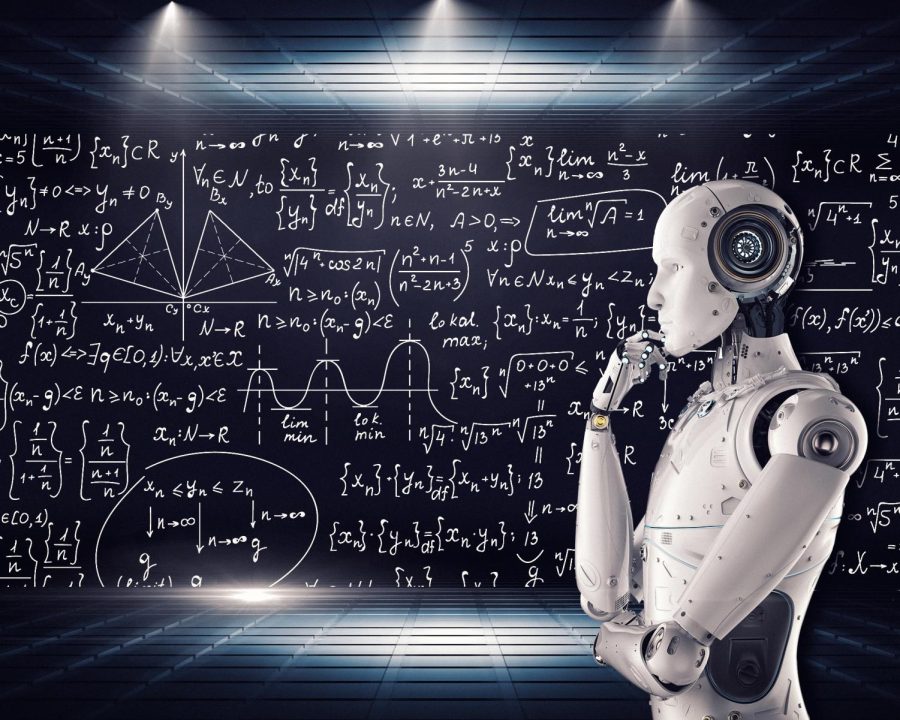































































Artificial intelligence is fast becoming ubiquitous and indispensable, particularly among teenage high school students who are anxious about their college admissions prospects. Both students and parents are increasingly turning to AI chatbots for advice on where to apply, how to get into their dream schools, and whether what they are doing right now is enough to increase their prospects for college entrance. For example, many parents who are overwhelmed by the college admissions process turn to an AI chatbot to ask questions about how to fill out the Common Application and regarding the precise definitions within the application (for example, “What did it mean by ‘activity list’? “), according to The New York Times. In schools that are not as well-resourced, parents and students are also polling AI chatbots for which schools they should apply to based on their academic and extracurricular credentials.
On the surface, this doesn’t seem like a bad thing. AI is fast, accessible, and always available. Unlike guidance counselors, who may be responsible for hundreds of students and may be stretched too thin to provide individual attention to each of the students, chatbots can provide answers instantly at any time. “Proponents argue that AI tools could improve access to college counseling for students who cannot turn to private coaches or family members with college degrees,” according to The Times.
With the coming reality of students increasingly turning to AI for guidance, the answers students receive compared to counselors is stark. Counselors are professionals, people who are trained to support students and provide guidance. Especially when the topic discussed is college. The main difference is that AI often gives more reassuring and flattering responses, which can make students and parents feel more confident, though it may not be truthfully reflecting reality. While counselors are meant to answer truthfully, doing the best they can for their students even if it means facing the harsh reality.
One cannot deny that AI is a useful tool when it comes to general research and finding out different facts and peculiarities of a given college that a student is interested in attending. However, this convenience comes with risks when students and parents cross the line and use AI to make decisions or recommendations. No chatbot can predict with certainty and know whether someone will get into a particular school. The choice of colleges to apply to and attend still remains a deeply personal choice that cannot be replaced by AI entirely. However, anxious students may repeatedly consult AI for validation, hoping for comfort rather than an honest perspective. Over time, this reliance can increase stress instead of reducing it.
The real problem arises when AI begins to replace human guidance and makes decisions instead of being used as an added tool. Guidance counselors, teachers, and mentors offer something AI cannot: experience, emotional understanding, and accountability. AI, on the other hand, is designed to be more agreeable and optimistic, which can sometimes prevent students from hearing the difficult but necessary truths. “The reality is, A.I. is not going to give them good advice about what it is that an admissions officer might be looking for,” Angel Pérez, the chief executive of the National Association for College Admission Counseling and a former counselor at a public high school in New York City, said, according to The Times.
As AI continues to evolve, it will, with no doubt, play an even larger role in education and college planning. The key is in balance. Students should feel comfortable using AI as a resource, but not as a replacement. College decisions are deeply personal, and no algorithm can fully capture a student’s goals, struggles, or growth.
AI can help guide students, but it should never be the one making decisions for them. Learning when to log off and seek human advice is more important than simply knowing how to use the technology and outsourcing decisions to AI Chatbots.