































































































































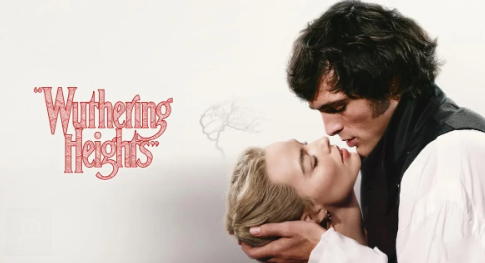
In most literary adaptations, love is softened for the screen. In Wuthering Heights, it is sharpened. This film does not ask you to root for its protagonist, Catherine Earnshaw, or her secret lover, Heathcliff. It asks you to endure them. By stripping away any illusion of sweeping romance, the movie reveals something far more unsettling: what they call love is fueled by ego, and it leaves ruins behind.
Directed by Emerald Fenell, this adaptation of Emily Brontë’s 1847 novel reinterprets Wuthering Heights through a stark and emotionally raw lens. Set against the desolate Yorkshire moors, the film traces the complex bond between Catherine, played by Margot Robbie, and Heathcliff, portrayed by Jacob Elordi. The relationship evolves as the two go from a childhood attachment to something far more destructive. As class tension and wounded pride begin to shape their decisions, their relationship grows increasingly fraught. Through bleak landscapes, restrained dialogue, and raw performances, the film strips away romantic glamour and builds an atmosphere that mirrors the emotional instability driving the story.
Robbie’s portrayal of Catherine shifts deliberately between sympathy and frustration, a balance that ultimately strengthens the film’s emotional impact. At times dramatic and explosive, she captures Catherine’s volatility without reducing her to hysteria. In the final act, as Catherine begins to unravel, Robbie fully commits to the character’s instability, allowing the audience to see both genuine longing and destructive pride simutaniously. Her love for Heathcliff feels real, but it is clearly unhealthy as it’s driven just as much by ego and impulse as it is by devotion.
Elordi’s Heathcliff is far more intimidating than pitiable. Though the film hints at the wounds that shape his behavior, Elordi leans into the character’s darker instincts, portraying him less as a tragic victim and more as a man hardened by resentment. Moments of vulnerability surface, but they never outweigh the cruelty in his choices, particularly when he attempts to provoke jealousy rather than confront his emotions directly. Together, Robbie and Elordi create a relationship that feels undeniably toxic. There is passion but little stability, reinforcing the film’s suggestion that what binds them is not romance, but something far more corrosive.
When watching a film adaptation, viewers are not experiencing the novel itself, but rather the director’s interpretation of it. Due to this, it can be challenging to fully grasp every emotional nuance as it was originally written. However, adaptation by definition involves changing or reshaping a story so it can exist effectively in a new medium and era. In this particular case, that new space is the modern-day film industry. “The business of taking something born of one era and making it appeal to another inevitably involves change—how boring if it didn’t,” Susie Goldsbrough said, according to The New York Times. This transformation is not a flaw, but an essential part of keeping classic literature relevant for contemporary audiences.
Unlike more romanticized interpretations of Wuthering Heights, Fennel’s version refuses to frame Catherine and Heathcliff as tragic soulmates. Instead, the film highlights the selfishness embedded within their devotion. Moments that might traditionally be portrayed as passionate are instead rendered tense and uncomfortable, forcing the audience to question whether what binds them is love or obsession. Forgetting the sentimental music and dramatic declarations, the film exposes the emotional damage the characters’ pride inflicts not only on each other, but on everyone around them. In doing so, the adaptation does not modernize the story by softening it; instead, it modernizes it by confronting its toxicity head on.
Fennel, Robbie, and Elordi gave the classic book a new form that brought it to life in so many ways. Exploring the depths of historic dark and twisted romances while keeping an audience entertained isn’t easy. In doing this, the actors not only dove deeper into their own characters but also what this story means in the bigger picture. All-consuming love is dangerous and risky, but it has potential to free someone from the previous claim that could hold someone back from pursing their heart’s wants.