






























































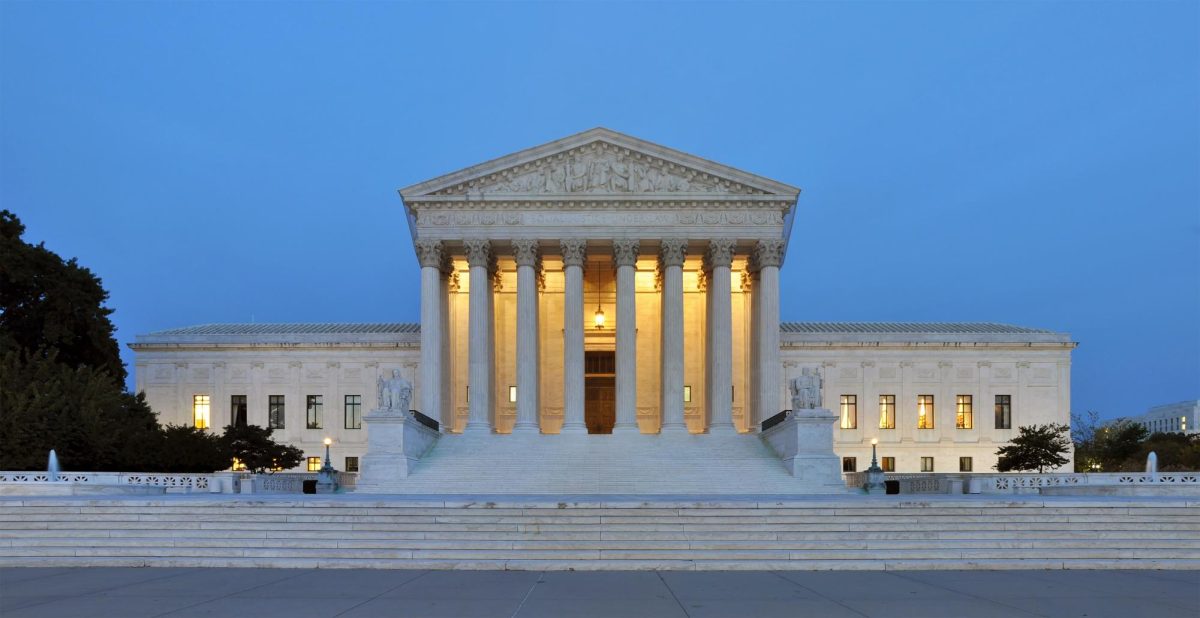



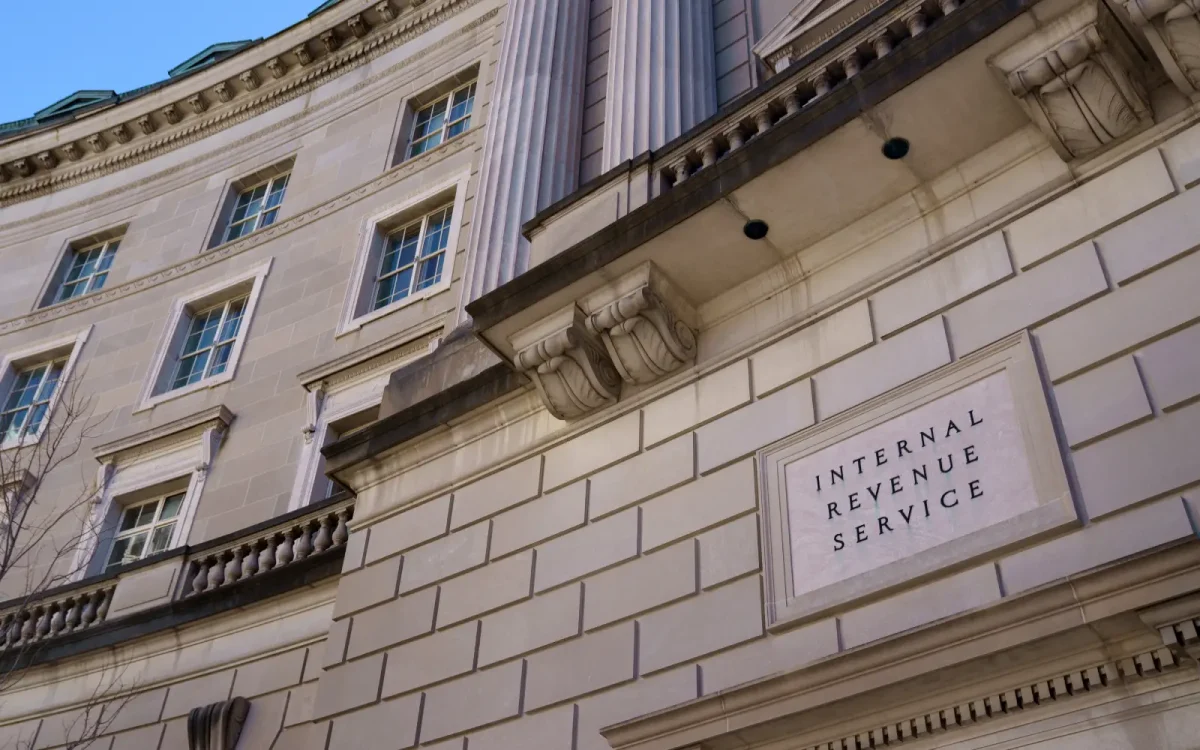




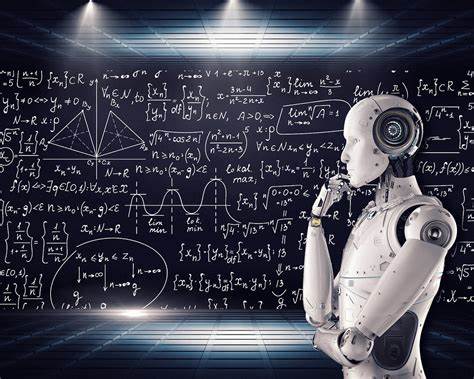







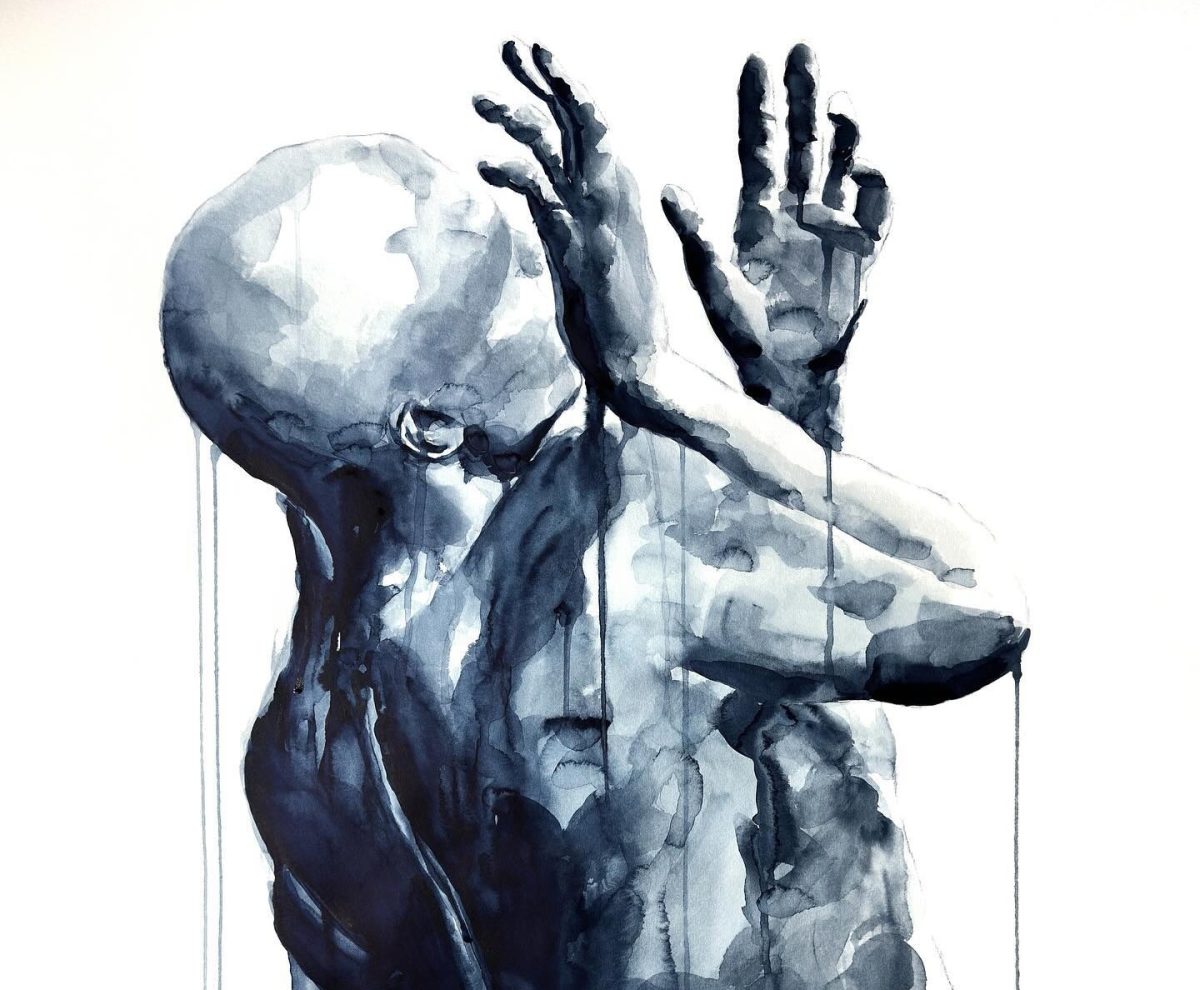






















































In 1787, the US Constitution established a “trias politica,” a three-part system designed to prevent any single entity from becoming a tyrant; however, it is becoming increasingly clear as we navigate the complexities of 2026 that the primary architecture of power has shifted from the neoclassical halls of Washington D.C. to the humming server farms of Silicon Valley. While we still pay taxes to the IRS and obey physical laws, our daily behavior, political leanings, and very perception of truth are governed by a silent omnipresent force. The Algorithm has effectively become the Fourth Branch of Government, and its influence is oftentimes more immediate than any federal mandate.
When we call the Algorithm a fourth branch, we are describing a digital system that performs the three core functions of government—legislative, executive, and judicial—all at once. It legislates by setting the digital rules of what we can say; it executes those rules by automatically deleting content; and it adjudicates by deciding whose version of a news story is true. Unlike the traditional branches, which are bound by the Constitution and public oversight, this branch operates through private code, making it a shadow government that rules our digital lives with total autonomy.
In traditional civics, laws are debated in public and recorded in history. Today, however, the rules of human engagement are written in proprietary code. As legal scholar Lawrence Lessig famously argued, “code is law,” but in 2026, that law is no longer static. It is a living, breathing constitution of the feed that determines what is visible and what is suppressed. According to the University of St. Gallen, X’s algorithmic feed significantly shifts political opinions after just seven weeks of exposure. By promoting engaging activist content over traditional news, the algorithm legislates the boundaries of what is considered an acceptable or relevant topic for debate. When a handful of engineers adjust a recommendation weight—how likely a post is to be suggested to another user—they are performing an act of mass legislation that affects more people than any bill passed by Congress, as increasing a weight for engagement effectively mandates that the public prioritize outrage over nuance.
Beyond setting the rules, the Algorithm acts as an automated, tireless police force, according to Shoshana Zuboff, Co-Director of the Harvard Kennedy School Carr-Ryan Center’s Technology and Human Rights Fellowship Program. Through content moderation, AI executes immediate rulings—shadowbanning, demonetization, or permanent exile—often without a trial or even a clear explanation. Privacy has been effectively destroyed by the modern tech economy, specifically by the “Big Other,” a global surveillance infrastructure that monitors, predicts, and modifies human behavior in real-time, Zuboff notes. This algorithmic executive doesn’t wait for a court order to limit a user’s reach; it simply adjusts a line of code. This shift represents a move toward a model where corporate digital capabilities have far outstripped the state’s ability to protect individual autonomy, creating an enforcement mechanism that operates at the speed of light.
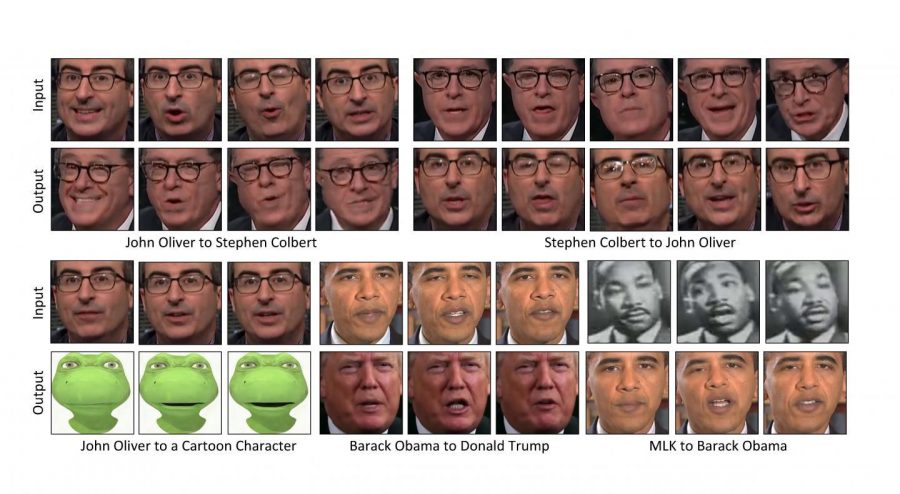
Perhaps the most unsettling shift is the algorithm’s role as a supreme court of truth. In a world where virtual interactions often supplant real-world deliberation, algorithms adjudicate what constitutes misinformation. We are living in an era where the gatekeepers of truth are no longer editorial boards or judges, but recommendation engines that prioritize simplicity, sociability, and attention, according to the Dentsu 2026 Media Trends Report. This has led to an epistemic crisis: when two citizens see entirely different sets of “facts” on their screens, the traditional judiciary’s ability to resolve disputes based on a shared reality begins to crumble. The algorithm has become the final judge, deciding where evidence is presented to the jury of the public.
The reality of 2026 is that we are just as much citizens of a nation as users of a platform. Our social contract has been largely replaced by a terms of service agreement that we never actually read. If we want to reclaim the democratic ideals of 1787, we must recognize the Algorithm for what it is: a powerful, unelected branch of government. True algorithmic citizenship requires us to demand the same checks and balances for code that we demand for our laws—transparency, accountability, and the right to a fair appeal. Until we treat Silicon Valley’s engineers with the same scrutiny as our elected officials, the most influential legislators in our lives will continue to be the ones we never voted for.