





























































































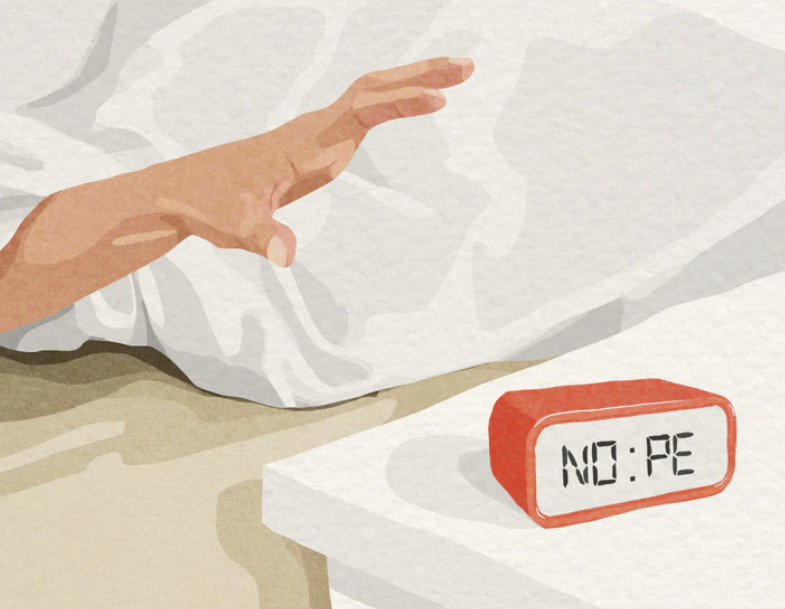

























































In the late hours of the night on Sunday, March 8, our clocks sprang forward. My phone jumped from 1:00 a.m. to 3:00 a.m., causing people across the country (in all U.S. states except Arizona and Hawaii) to lose a single hour of sleep. However, this process is undoubtedly controversial: many see those 60 minutes as precious and taken for granted. “I wish we could have the extra hour of sleep back because, without it, everyone wakes up later than usual and they tend to be exhausted in the mornings. I have been so tired this week because we lost that one hour,” said Manuela Ibarra (’28). Ibarra is not the only one who feels this way. Many see it as an unnecessary governmental measure; why adjust our clocks if we could always have the world brighter for longer? Why make our winters even worse by arbitrarily making it get dark during daylight hours?
On the contrary, others, including myself, are proponents of Daylight Savings. I believe the time change has a heavily positive psychological component. The shift from the sun setting at 5:45 p.m. to after 7:00 p.m. has a significant influence on our overall moods.
For starters, the additional sunlight immensely improves comprehensive motivation. 6:00 p.m. in mid-January, as opposed to mid-March, constitutes a major difference: In January, the sky would oftentimes be pitch black before 5:00 p.m., and I would naturally be exhausted, unmotivated, and tempted by the warmth of my bed—now, the sun is sparkling, Tenafly is brighter, and I am probably 10 times more likely to be efficient on days like today than I was in January. Simply because, when I look out the window, I see a shining blue sky rather than one as black as obsidian. I am encouraged to spend more time outside, maximize my productivity, and remain focused for longer intervals of time.
Moreover, during the winter months, I naturally accustom myself to sunsets in the afternoon. Although it serves as a nuisance, it makes the move to Daylight Savings time that much more enjoyable and celebratory. Stepping outside during the evening of Sunday, March 8th, I was astonished by my view: a blue sky! That same day, after getting a local dinner, my friend and I walked around the area for a couple of extra minutes. By the time we got back in the car to head home at around 7:45 p.m., we acknowledged how we had gotten the opportunity to enjoy a proper evening sunset and a significant amount of daylight that we had not had for the last couple of months. Additionally, the 2025-2026 season has brought our area an insufferable winter (along with early sunsets). During the week of January 30, it was colder in New Jersey than it was in Juneau, Alaska, the northernmost U.S. state. We experienced two brutal snowstorms and temperatures below zero degrees Fahrenheit.
Personally, I love Daylight Savings, and I will unfalteringly argue that the positives heavily outweigh the negatives. I count the weeks and days each and every winter until the clocks spring forward. Although spring does not technically begin until March 20 this year, and there is definitely still some snow on the ground, Daylight Savings marks the unofficial start of the spring season, and I will continue to appreciate the extended hours of sunlight (yes, even if that means losing an hour of sleep!)