



















































































































On February 27, President Donald Trump announced federal agencies have six months to stop working with one of America’s leading AI companies, Anthropic, due to its refusal to cooperate with the Pentagon (Department of War).
Anthropic was founded by siblings Dario and Daniela Amodei. They both held executive positions at OpenAI. According to Encyclopedia Britannica, they noticed ChatGPT often responded with misinformation and wanted to create a safer AI model. They left the company and built Claude bot.
In recent years, the Pentagon has used Claude to analyze data and identify targets for its military operations. According to The Guardian, the U.S. has used AI for target strikes in Iraq and Syria. Additionally, Claude was used to prepare for the U.S. operation of capturing Venezuelan President Nicolas Maduro.
The dispute started when the Pentagon requested that Anthropic remove Claude’s safety restrictions. According to AP News, Anthropic CEO Amodei said the restrictions are meant to prevent Claude from “crossing red lines,” such as being used for mass surveillance or autonomous weapons. The Pentagon said it does not plan to use Claude in those ways but wants more flexibility to use the technology legally.
According to the Congressional Research Service, autonomous weapons are legal, and according to the American Bar Association, so is mass surveillance. This might explain Anthropic’s hesitation to accept the Pentagon’s conditions.
Assistant to the Secretary of Defense for Public Affairs, Sean Parnell, explains on an X post that it is important for Anthropic to lower its safeguards because it could potentially “jeopardize critical military operations and potentially put our warfighters at risk.”
Trump wrote on his Truth Social platform, “WE WILL NEVER ALLOW A RADICAL LEFT, WOKE COMPANY TO DICTATE HOW OUR GREAT MILITARY FIGHTS AND WINS WARS.”
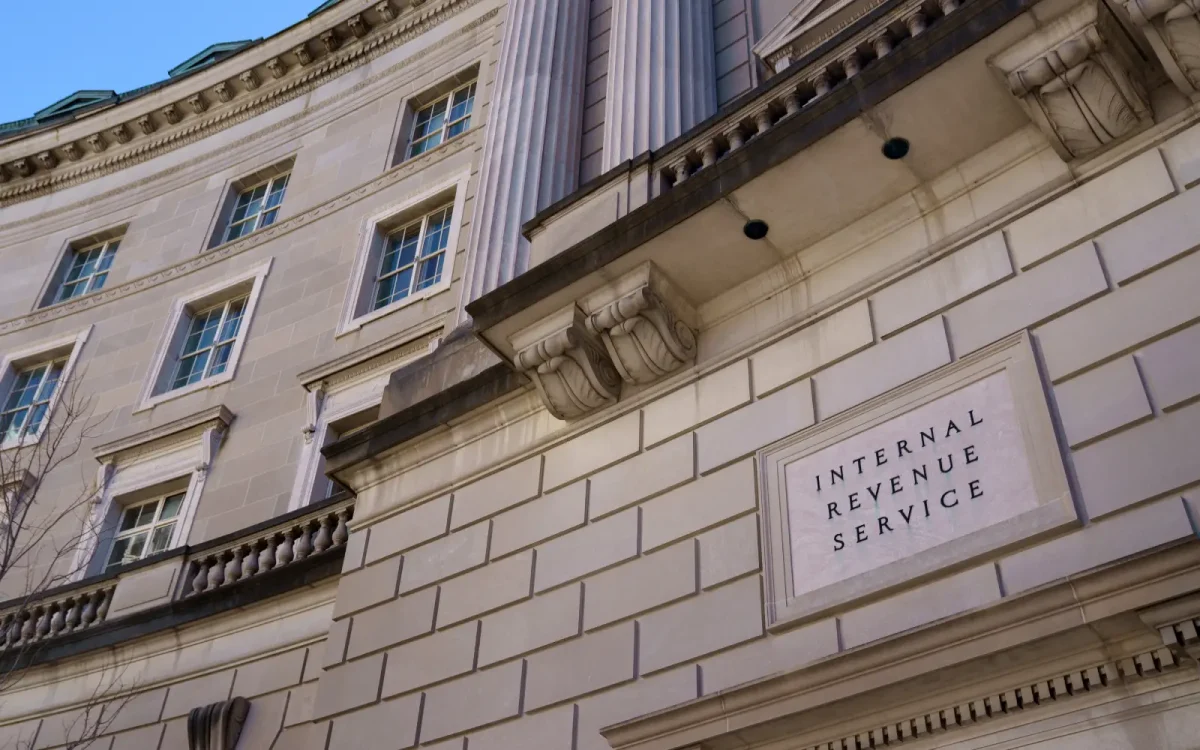
The Pentagon plans to label Anthropic as a “national security supply chain risk.” Anthropic says it will challenge that decision in court. “We have tried in good faith to reach an agreement with the Department of War, making clear that we support all lawful uses of AI for national security aside…To the best of our knowledge, these exceptions have not affected a single government mission to date.”
This dispute over AI has also raised concerns regarding the ethics of AI. People are divided, wondering who should be in charge of how AI is used. Should it be elected government officials, or tech companies that made AI?
Ross Douthat from The New York Times argues the Pentagon’s main goal is to embed Claude into “the national security architecture,” and it shouldn’t let a private company decide whether AI should be used. Douthat stressed the importance of allowing elected government officials to make decisions about AI rather than unelected tech workers.
Meanwhile, Adam Lashinsky from The Washington Post says one company shouldn’t be dictating how to use AI. Lashinsky goes onto explain that nowadays, because AI has become more advanced and has the potential to be catastrophic, it’s important for tech workers to insist there be safe guards.
OpenAI, Anthropic’s rival company, signed a separate deal with the Pentagon, potentially filling Anthropic’s gap in federal offices. However, OpenAI CEO Sam Altman posted on X showing that he essentially supports the same guardrails as Anthropic: “Two of our most important safety principles are prohibitions on domestic mass surveillance and human responsibility for the use of autonomous vehicles weapons…we are asking the DoW to offer the same terms to all AI companies.”
Claude is still being utilized by the military. According to NBC News, Claude is currently providing targeting advice for Iran and helping military analysts sort through data. Leader of U.S. Central Command, Admiral Brad Cooper, clarified, “Humans will always make final decisions on what to shoot and what not to shoot and when to shoot, but advanced AI tools can turn processes used to take hours and sometimes even days into seconds.”
Anthropic has received a lot of support and interest. People switched from ChatGPT to Claude. According to TechCrunch, Claude has risen to about 149,000 daily downloads compared to ChatGPT with 124,000 downloads.
Ultimately, the Trump vs Anthropic dispute has raised many questions, demonstrating the complexities of dealing with new AI technology. While some argue the importance of the Pentagon having full access to Claude, others believe strict regulations are necessary.