















































































































































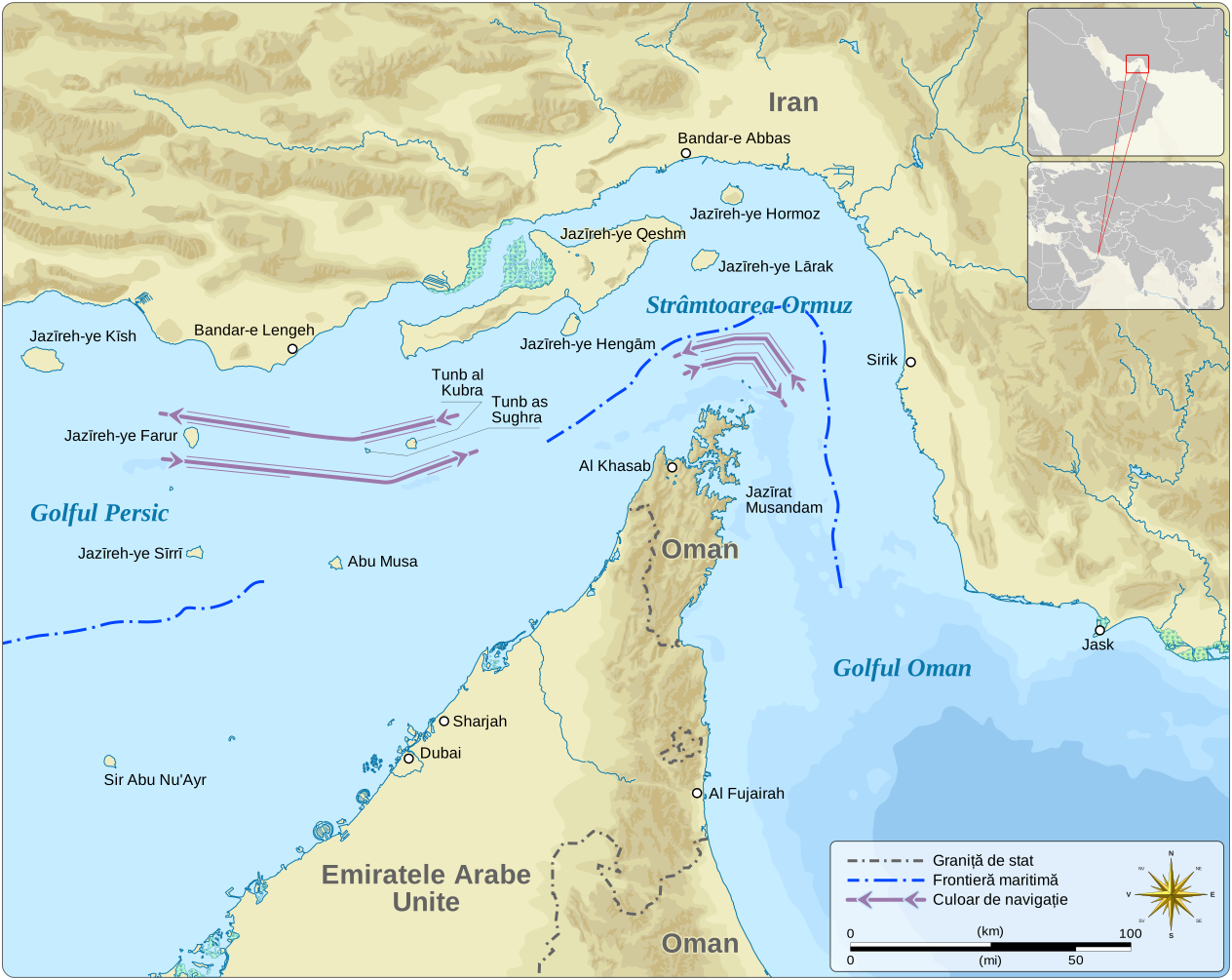
Since US and Israeli forces launched strikes on Iran on February 28, killing Supreme Leader Khamenei and triggering retaliatory drone attacks across the Gulf, the economic fallout has spread well past oil prices and into the plumbing of global trade. Almost nothing shipped through the region has been untouched.
Maurice Obstfeld, former chief economist at the IMF, put it bluntly to Euronews: “For a long time, the nightmare scenario that deterred the US from considering an attack on Iran was that the Iranians would close the Strait of Hormuz. Now we’re in the nightmare scenario.”
Effects on Oil
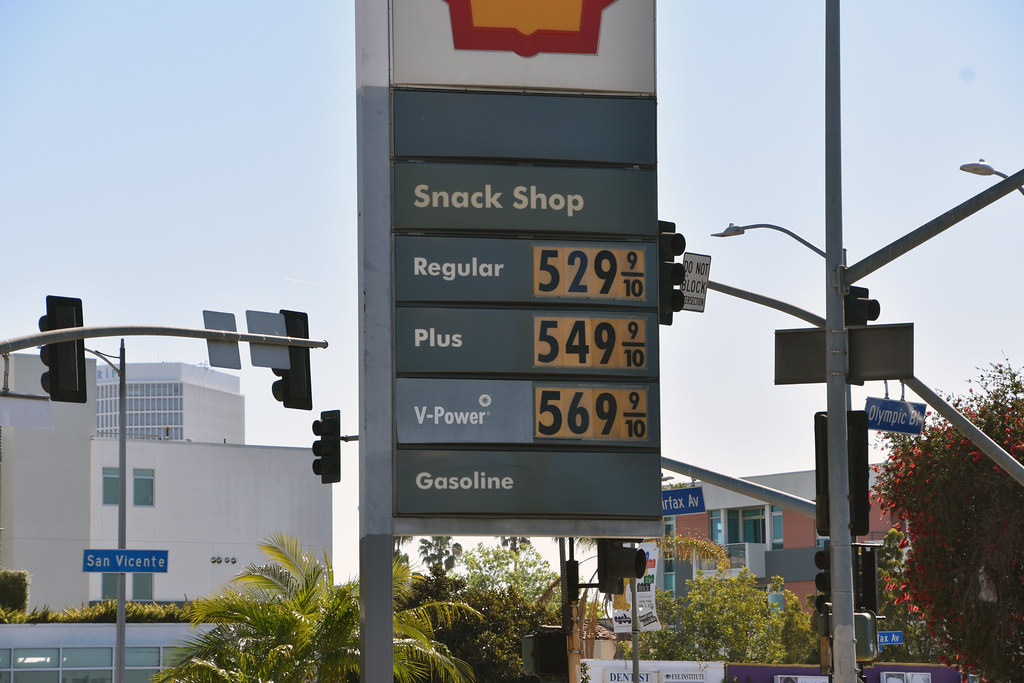
Brent crude (the standard for prices across the oil industry) went from under $70 in February to a peak of nearly $120 before settling around $90 now, according to Euronews. The US average at the gas pump crossed $4 a gallon this week, up nearly 60 cents since the conflict started, says Al Jazeera, and the International Energy Agency (IEA) was forced to release 400 million barrels from emergency reserves. While that helped, Chatham House warns that if the Strait stays closed for months, oil could push to $130. That would be enough to tip Europe into recession and meaningfully slow US growth.
European LNG (liquid natural gas) prices jumped up to 50% after Iran’s drones hit Ras Laffan, Qatar’s industrial hub and the world’s largest LNG export facility. Qatar supplies roughly a fifth of global LNG, and some of that production is still offline.
The Hormuz Choke Point Goes Beyond Fuel
A third of global seaborne fertilizer flows through the Strait of Hormuz. With spring planting underway across the American Midwest, urea (an important chemical in fertilizers) prices have spiked from $475 to $680 per metric ton, CNBC reports. That means grocery prices associated with the costs of producing major agricultural goods like corn and soybeans are heading up.
Helium is in a similar boat. Qatar produces over a third of the world’s supply and plays a major role in semiconductor manufacturing, which uses helium. The Ras Laffan strikes effectively cut off that supply. Phil Kornbluth, president of Kornbluth Helium Consulting, told CNBC that the industry should expect, at minimum, a two- to three-month production shutdown, with supply chains taking up to six months to recover. Already, South Korean legislators have raised alarms about chip producers Samsung and SK Hynix facing shortages of critical materials.
According to the Associated Press, Danish container logistics company Maersk, which operates one of the world’s largest shipping lines, halted all Strait crossings and is now routing ships around the Cape of Good Hope, tacking on 10 to 14 extra days per voyage and roughly $1 million in additional fuel costs per ship. War-risk insurance premiums for Hormuz transit have jumped as much as twelvefold, the Financial Times found, with some policies pulled altogether.
Effects on Wall Street
Markets haven’t collapsed, but they’ve reacted fast. The Dow fell 400-plus points on March 2, and the S&P dropped 0.7%, though both partially clawed back losses by close, CNN Business reported. Defense stocks were the clear winners, with Lockheed Martin, Northrop Grumman, and RTX each gaining 3–6%, and drone manufacturer AeroVironment jumped over 10%.
Airlines got hit hard. American Airlines fell 4.2%, Delta 2.2%, and United 2.9%. European carriers were worse off; Air France dropped 9.4%, Lufthansa 5.2%, as airspace closures over the UAE, Qatar, Kuwait, and Bahrain grounded thousands of flights.
Bloomberg noted that fund managers quickly moved capital into Treasuries, gold, and Swiss francs, and moved investment out of tech stocks. The dollar, gold, and even bitcoin saw gains.
Macro-Level Economic Impacts
Energy shocks push inflation up and growth down simultaneously, which can cause stagnation (high inflation, high unemployment, and low economic growth). That’s the one scenario central banks least want to navigate.
Global economic damage is uneven geographically, with Oxford Economics putting energy-importing nations such as the EU, Japan, South Korea, China, and India in the most vulnerable position. Oil producers outside the region, such as Norway and Canada, are benefiting from higher prices and the inability of Gulf producers to meet demand. Meanwhile, Egypt declared a near-emergency, and the World Bank estimates Suez Canal losses at $10 billion already.
The Bottom Line
Morgan Stanley sums up where most analysts are right now: “Markets may tolerate uncertainty for now, but prolonged uncertainty will be harder to look through.”
The effects of the Iran conflict are far-reaching: industries from tourism to rentals, and investments in general, are suffering losses in the Gulf region, especially in the aftermath of Iran’s strikes on other Gulf countries like the UAE.
A quick resolution means the world economy takes a hit and moves on, while a months-long standoff risks serious EU and US slowdowns and supply disruptions. The most important economic and market question surrounding this conflict is how long it will last.