








































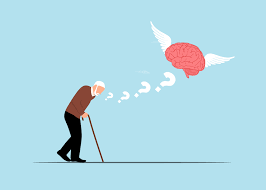





















































































































Sleep might feel like a break from thinking, but it is actively helping your brain perform essential functions that keep you sharp, balanced, and healthy. When someone doesn’t get enough sleep, the brain cannot complete these jobs properly, and scientists are beginning to understand just how profoundly sleep affects the mind.
Recent research from the Massachusetts Institute of Technology shows that when people are sleep-deprived and going about their day, their brains begin engaging in processes that typically occur during sleep, even while they are awake. In Nature Neuroscience, the study’s senior author, Laura Lewis, explained the strange effect: “If you don’t sleep, the [cerebrospinal fluid] waves start to intrude into wakefulness … they come with an attentional tradeoff, where attention fails during the moments that you have this wave of fluid flow.”
Normally, cerebrospinal fluid (CSF) flows through the brain during sleep to help wash away waste products that build up during the day. But when someone misses out on sleep, their body tries to catch up on that brain cleaning while they are still awake. As the researchers explained, this comes at a steep cost: “attention fails,” meaning that the brain literally becomes less effective at focusing and staying alert.
Scientists believe this cleaning process is crucial for brain health. When researchers scanned people after a night of no sleep, they found distinct patterns of fluid movement linked to attention lapses. As one description of the results put it: “At the moment that attention fails, this fluid is actually being expelled outward away from the brain. And when attention recovers, it’s drawn back in.” This suggests the brain may interrupt awareness to perform functions it should normally complete at night.
Sleep deprivation also slows down and disrupts other brain processes. According to a scientific review on the cognitive effects of sleep loss, missing sleep doesn’t just make you tired; it directly reduces cognitive performance in many areas, including memory, alertness, judgment, and decision-making. The authors wrote that lack of sleep “can induce adverse changes in cognitive performance,” making routine thinking tasks much harder for the brain to carry out.
Without enough rest, the brain’s attention system becomes less efficient, which can affect everything from classroom learning to reaction times on the road. This has been shown scientifically as directly linked to changes in brain physiology and behavior after sleep loss.
The disruption doesn’t stop with short-term thinking problems. Long-term sleep deprivation has also been linked to the accumulation of harmful proteins in the brain, the same proteins that are associated with serious neurological diseases like Alzheimer’s. In brain research, scientists have noted that the brain’s cleaning systems, which operate mainly during sleep, remove toxins such as beta-amyloid, and that continued poor sleep quality is associated with a higher burden of these harmful substances.
Emotion and mood are also affected. Sleep plays a role in regulating the emotional centers of the brain, and missing sleep can make these areas more reactive and unstable. While research on this often comes from clinical studies and expert discussion, scientists emphasize that lack of sleep “disrupts memory, inhibits alertness,” and affects emotional control, much like the effects of other harmful substances on the brain.
In essence, when you don’t get enough sleep, your brain starts prioritizing essential maintenance over mental clarity. The result is poor focus, slower thinking, weaker memory, and impaired decision-making, all of which make it harder to function in school, sports, and everyday life. Sleep isn’t lazy downtime for the brain; it’s a vital part of how the brain keeps working well, now and in the future.