






































































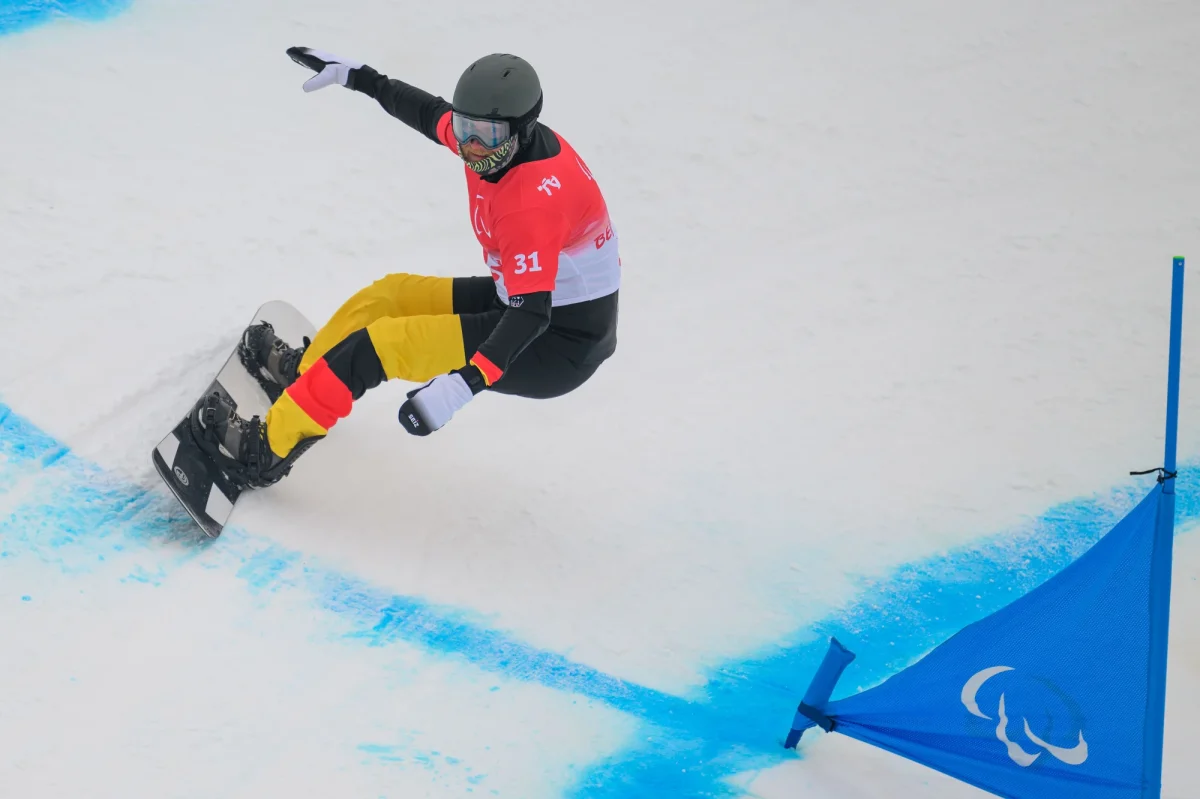
Last Sunday, the Milano Cortina 2026 Paralympic Winter Games came to a close. For most people, though, it may as well have never occurred in the first place.
While the Olympics get all of the headlines, the bulk of broadcast time, and nearly all of the attention on social media, the Paralympics receive very little attention. Unfortunately, this is more than disappointment—it indicates how much farther along we need to be towards creating equality in sports.
Paralympic athletes pour the same dedication, time, and competitive spirit into their training as any Olympian, pushing through long seasons, strict routines, and immense pressure. They train day in and day out, fight for victory, and bring the same pride for their nation and jaw-dropping skill to the world stage. In many cases, they have to overcome extra hurdles just to make it to the start line. Yet, the majority of the time, people don’t know who they are.
The core problem lies in how we, as a society, view disabilities. Although attitudes toward disability have improved over the years, people still often view disability primarily through a lens of limitation and negativity. But the effort, discipline, and sacrifice that Paralympians put in mostly go unnoticed. Too often, we put them into the role of an “inspirational story” instead of recognizing them as elite competitors. Sure, their resilience is impressive, but by constantly framing them as feel-good stories, we are diminishing the reality of their athletic achievements. These athletes are not competing for charity. They are breaking world records and redefining what it means to be a competitor. They deserve the same recognition and exposure as do Olympian athletes.
The lack of attention also affects their funding and opportunities in their respective sport. While many Olympic athletes benefit from sponsorships, endorsements, and national training programs, these things are often out of reach for Paralympians. Paralympians have to depend on their own earnings in order to fund their training. According to CNN Sport, Hong Kong’s Paralympic gold medalists earn bonuses that are roughly 75% smaller than those given to Olympic gold medalists. In Vietnam, the gap is even more staggering as Paralympic champions earn just over 1% of what Olympic gold medalists receive. These inequalities make it harder for Paralympians to train, travel, and compete at the highest level.
The difference in media coverage is just as clear. Think Global Health stated that the 2024 Paris Olympics was the first time that all 22 Paralympic sports were broadcast. Despite this progress, the viewership numbers show how unequal the attention still is. In the United States, NBCUniversal recorded 15.4 million total viewers for the Paralympics, compared to 31 million average viewers per night for the Olympics. This shows how little coverage the Paralympics still get. Even though things are improving, it is still far from equal.
But there is something bigger at stake here. By watching the Paralympics, we are changing the narrative. We can change how society views the disabled. These Games challenge outdated assumptions about disability and expand our understanding of what athletic excellence looks like. They show young people with disabilities that they belong in sports. But when the Paralympics are treated as an afterthought, that message gets lost, and so does the chance to build a more inclusive sporting culture.
The solution to this issue doesn’t require rocket science. It’s simple. Broadcasters can give the Paralympics more attention and stronger coverage. Schools and training programs can help highlight Paralympic athletes alongside Olympians. News outlets can give equal accessibility to medal counts, records, and standout performances. And audiences, including ourselves, can choose to watch, follow, and cheer on these athletes. More recognition for the Paralympics would help future generations get the gear, coaching, and opportunities to compete at the highest level.
At the end of the day, the Paralympics are living proof of just how determined, brilliant, and unstoppable humans can be. The vast majority of people will not make it to the Olympics, even without a disability. Making it to the Olympics with a disability? That is extraordinary, plain and simple. At the very least, it is certainly deserving of much more recognition than it currently is. If we want fairness and real equality in sports, then it’s time to give Paralympic athletes the respect and spotlight they were always meant to have.