











































































I kept a drawing I made at nine years old for longer than I have kept most things.
It was not good. The proportions were wrong. I had run out of the right shade of blue halfway through the sky. Whatever creature I had placed in the foreground bore only a conceptual relationship to the animal I had been trying to draw.
I had sat alone on a Saturday afternoon and made it out of nothing but some paper, a box of crayons, and a couple of hours of nowhere else to be. My mother taped it to the refrigerator. I moved it, eventually, to my bedroom wall, then to a folder, then to a box I still have somewhere.
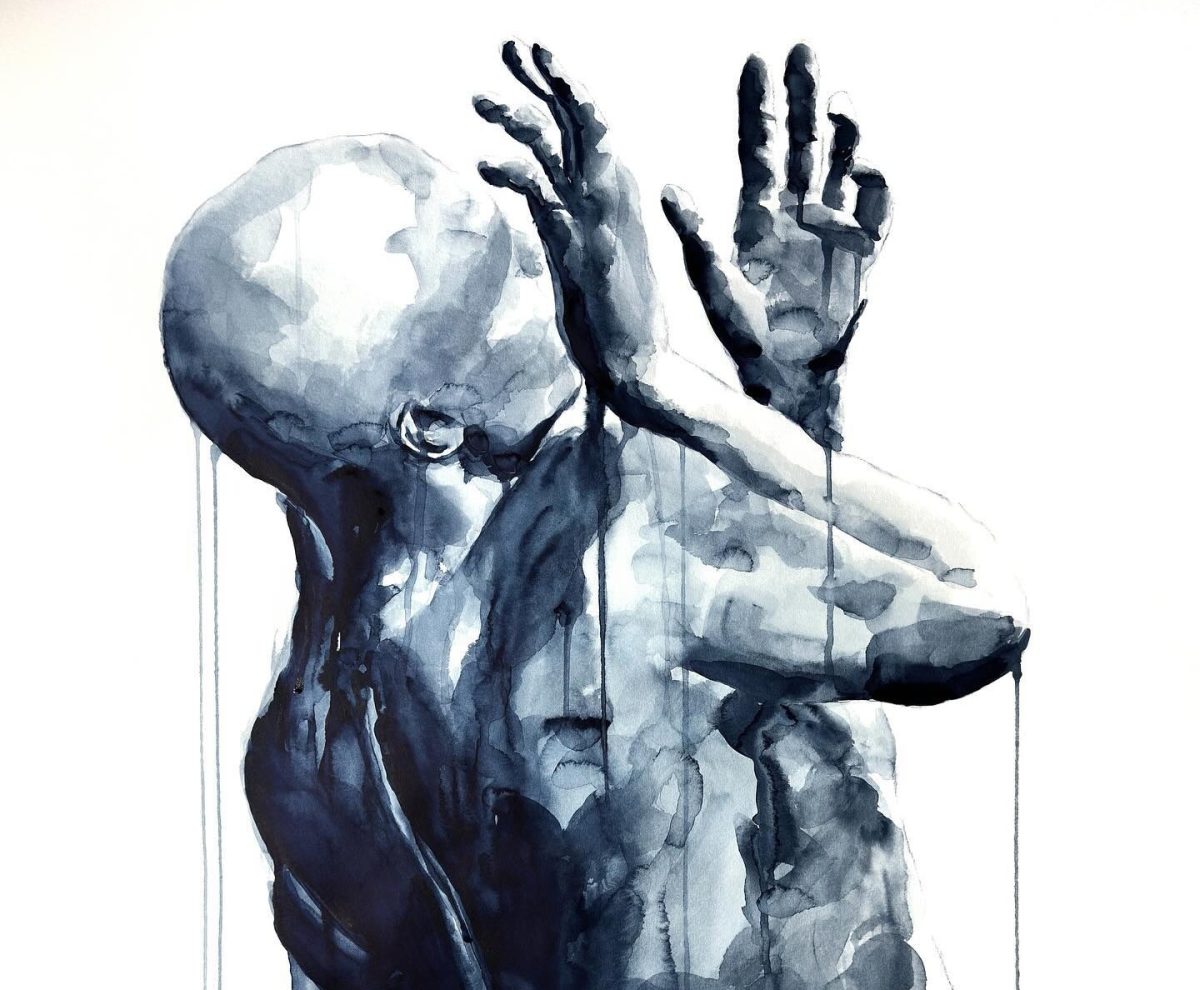
What I did not have language for then, and only barely have language for now, was the feeling the drawing gave me. After all, I had peeled back the skin of my self-consciousness to plunge both hands wrist-deep into the warm, bloody hollow underneath, the place in which the unprocessed matter of simply being alive sits in the dark. Forced out was everything I had never said or shown anyone—all the raw sediment of being a child in a confusing world—and it came out unfinished, trailing threads of whatever it had been growing from.
The result was wrong in every visible way, distorted and unrecognizable to what I had intended, yet it remained strangely faithful to its origin. In that contradiction, I found no lack.
Now, I am told that there exists a better way.
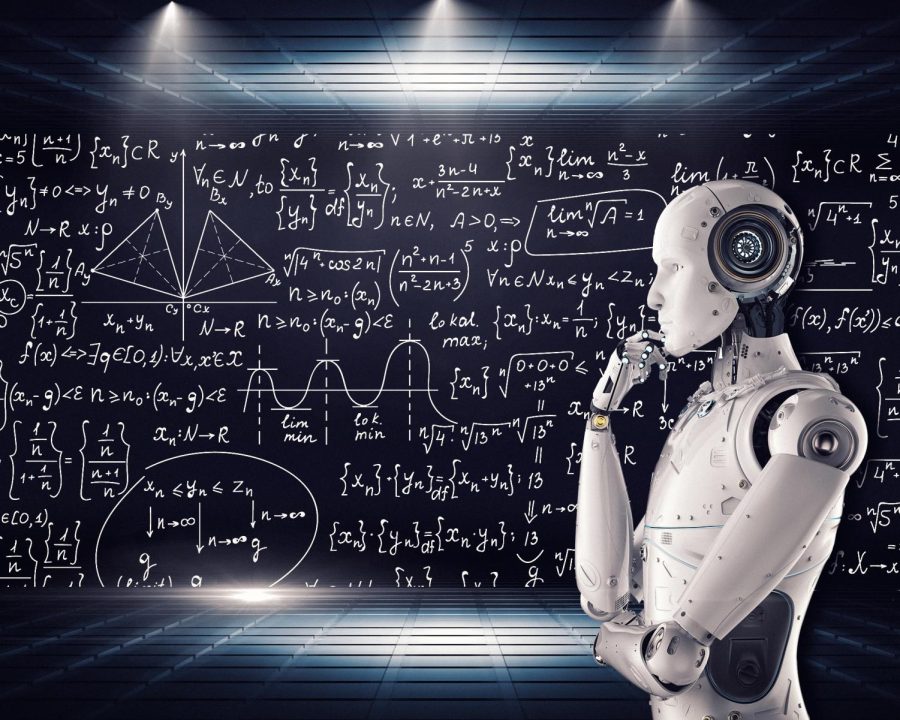
Why labor under the weight of your own imperfection? Why accept the crude translation of an idea when its perfect articulation lies so easily within reach? There is a kind of quiet omnipotence implied in the offer, as though imagination itself need no longer pass through the flawed machinery of the body to become real. Merely describe it, and it shall be rendered truer to your intention than your own hand could ever manage.
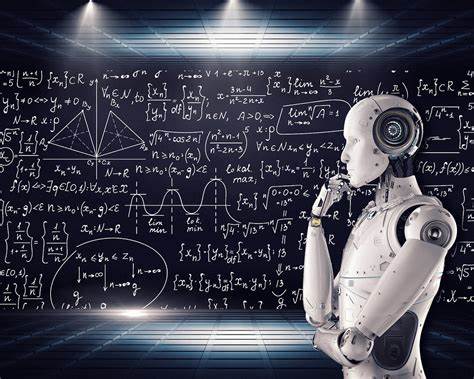
Because, as its own logic admits, “machine learning is all about using data and learning from it.” Therefore, as Forbes explains, “most of this learning comes from determining patterns inherent in the data.”
The output is fluent. It is often lovely. After all, it has—most ironically—absorbed more of human expression than any human being ever could, and it returns that expression to us polished, plausible, and entirely emptied of the one thing that made it worth making in the first place.
That thing is difficult to name. It is not talent, exactly, nor even beauty.
Art was never about the utopian perfection that is seemingly pleasing to the eye or the ear. Rather, it has, since antiquity, been a way to solve one of our unsolvable problems: the problem of being a person, alone inside an experience that no one else can fully enter. Upon creating, we are able to force what is inarticulate through the resistance of making until it becomes something that another person can encounter and recognize, not because it is accurate but because it bears the imprint of having been lived. The paintings within Lascaux Caves do not endure because of their precision, the same way that Beowulf does not remain because it is without flaw.
Instead, these works persist because making something true to your own experience turns out, miraculously and without guarantee, to make something true to everyone else’s. It reaches across every distance that ought to make understanding impossible and finds, at the bottom, that we are, irreducibly, creatures made to feel into one another. It is for that reason that a person who has never heard the language, never stood on the continent, never even lived within a thousand years of the moment of making, can stand before it and find themselves implicated.
What troubles me, however, is not the tool itself. It is what we are telling children about the value of their own interiors in offering it to them.
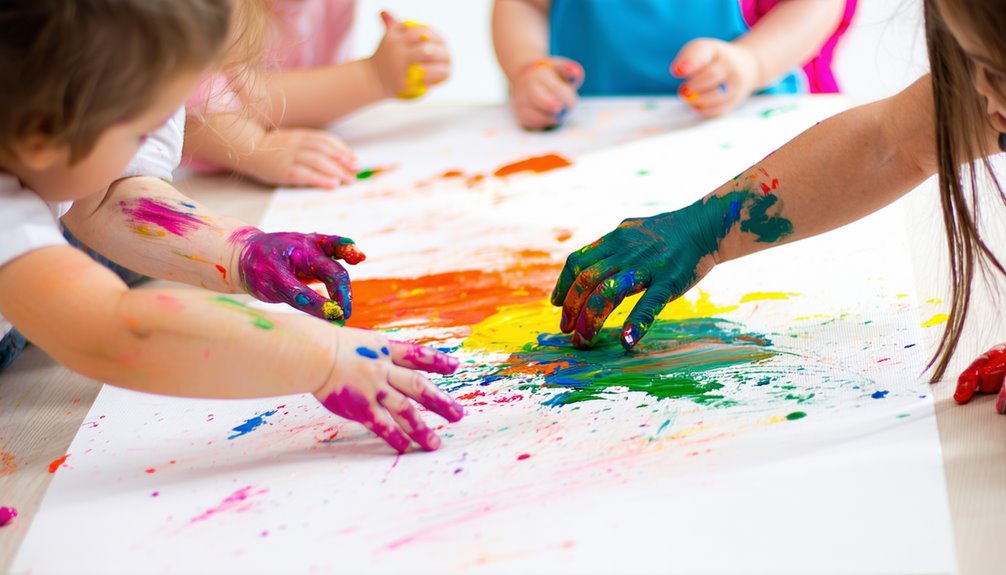
There is a particular quality of attention a child brings to making something. It is total and unselfconscious, not yet corroded by the awareness of how the result will be perceived. AI, according to Karen Friedman, a mother of two, “encourages surface perfectionism without developing the tools and stamina necessary for true critical thinking.” In this way, children are encouraged to continue “[turning] to AI out of pressure to find the perfect answer even when there isn’t one. Parents should normalize effort and progress over getting it ‘right,’” said pediatrician Jenny Radesky.
A child who writes a badly argued essay has nonetheless written something that could have only come from her particular confusion, her particular and irreplaceable way of being alive. A child who prompts a machine has produced something that could have come from anyone.
Which is to say, from no one.
And so, in writing this, I can’t help thinking about what will never come into being. All of the marks that won’t ever be made. All of the canvases that will remain eternally clean.