



































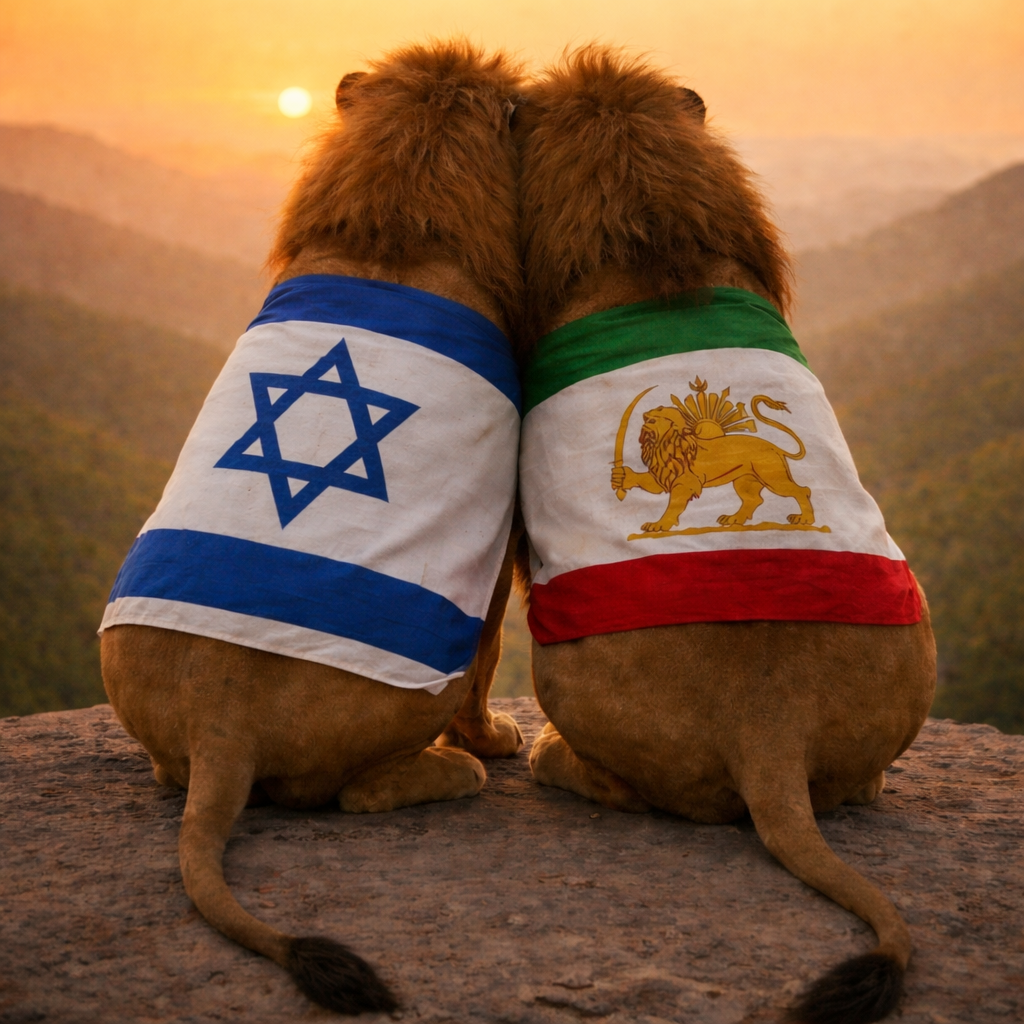

















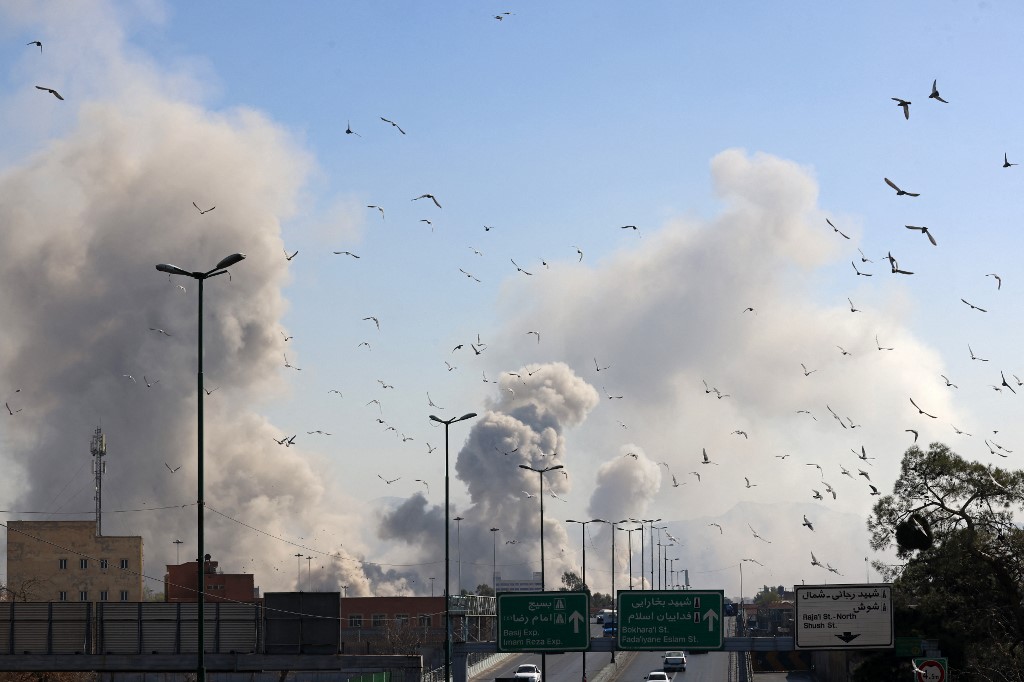
Since February 28, 2026, AI-generated images and videos of the Iran War have been spreading rapidly throughout social media. AI images—such as the bombing of Tel-Aviv, US radar destroyed by Iran in Qatar, and the US Embassy in Saudi-Arabia—have been detected on several social media apps. Though they are deleted once they are confirmed as AI-generated, they are created and posted faster than they can be removed. The images are mainly posted as pro-Iranian war propaganda, and continue to spread as the Iran war goes on.
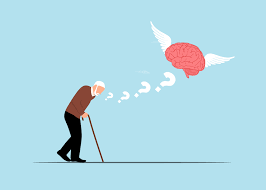
AI has improved rapidly over the course of 2025 and 2026, and AI-generated images and videos now look so realistic that they are being mistaken as actual media. A person is able to find AI images quickly through social media apps, and now, more often than not, people, especially those of older age, have begun to think they are real. Older people struggle to distinguish between human and AI-generated material, according to The Careside, and it makes them more prone to scams. AI realism has become a complication for the people keeping up with the Iran war. According to The Guardian, “fake pictures look authentic — and authentic ones get mistaken for fake.” These images are amassing millions of views daily, and their viewing can either cause a spread of misinformation or help people in understanding what is AI and what is not. As the war continues on, so does the mass generation of these media.
The media primarily focuses on depicting dramatic attack scenes and the destruction of the areas. According to CNN, a portion of these includes Iranian missiles striking the city of Tel Aviv in Israel, security camera footage of Iran’s military facilities exploding, and a US plane being paraded around in Iran. All of these images are created with the purpose of bringing people to either the US’s or Iran’s side in the war. Though not all of them focus on the same pattern of destruction and grief, accounts continue to promote these AI creations as a form of monetization or simply propaganda.
Learning of this propaganda can have a negative effect on people online, but they also fail to understand how much of a real-world impact it can cause. “This can have effects that range from influencing public opinion on a major issue, like whether or not a country should engage in conflict, to impacting financial markets,” Brady Africk, an intelligence researcher, said on CedmoHub. While such posts can be misinterpreted as being of little worth, they can influence people to spread this misinformation and even take action against it—such as engaging in protests. When people act upon information without confirming if it’s true, there isn’t a guaranteed outcome.
It is important for the public to approach images about such conflicts with caution. According to CNN, it is important for a person who scrolls often to search about the videos they see before trusting them and sharing them with others. Though AI images may seem realistic, it is still possible to distinguish if they are real or fake through the audio, too. Sometimes, if the audio is out of sync with the video or the visuals provided don’t seem accurate to the real-life examples, that could help viewers detect that videos are fake. Other ways to determine can be through watermarks of AI websites hidden in the video, or by simply watching for any sort of mistakes, such as unidentifiable text and humans with abnormal features. Being aware of these details is essential in preventing the spread of misleading information.