








































































































































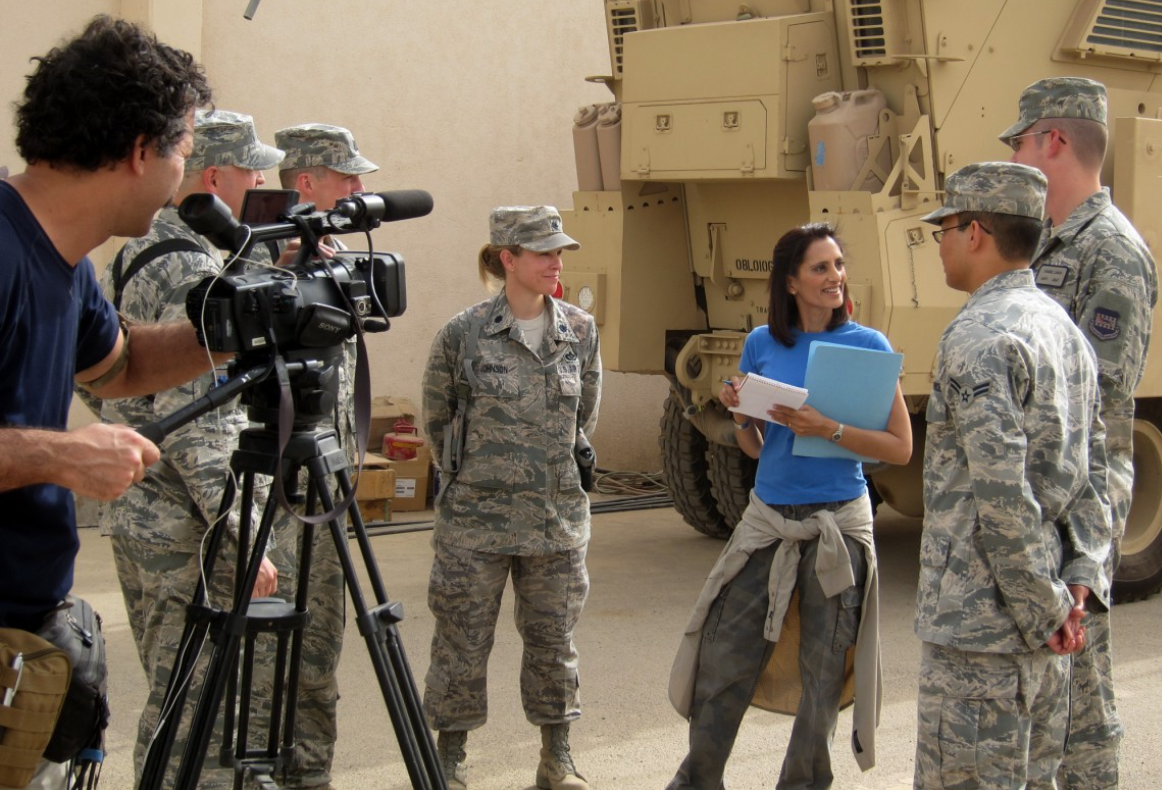
The term PTSD (post-traumatic stress disorder) is relatively new. However, it is a given that soldiers who fight in devastating wars have experienced PTSD symptoms since the beginning of time. What is not a given is that the journalists who spend their lifetime reporting on wars and living in war zones also experience the same, if not greater, levels of psychological damage faced by war veterans. While war and crisis journalists seem like heroic figures reporting on traumatic events in order to serve the people, their work subjects them to severe amounts of stress, anxiety, PTSD, and so much more that they may never be able to work as a journalist again.
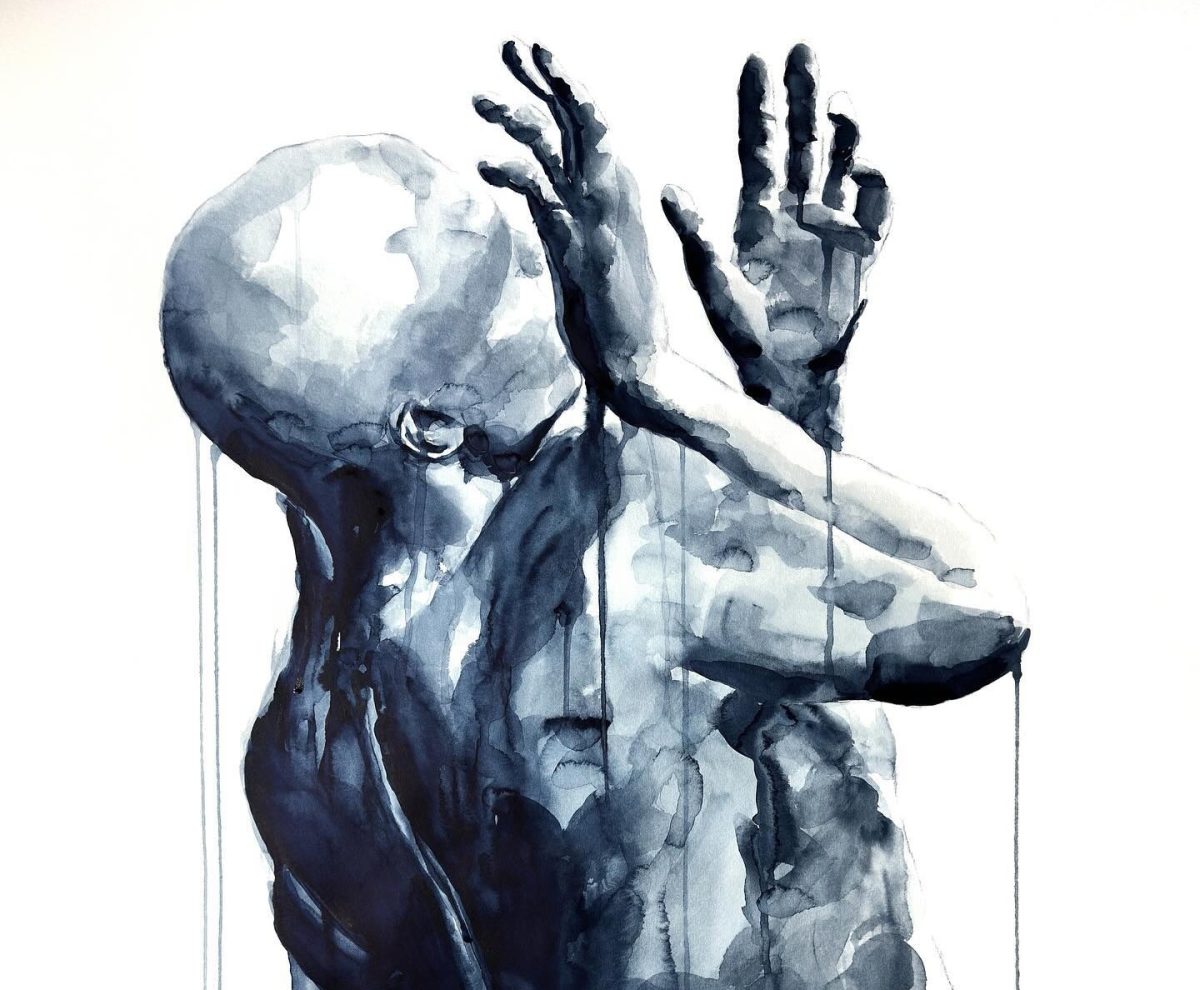
PTSD is one of the most common results of witnessing or being a part of a traumatic event. In most cases, PTSD symptoms include flashbacks, depression, hypervigilance, insomnia, irritability, and more.
When journalists report on war, they are subjected to some of the most horrifying imagery that can easily cause trauma. Many journalists even get personal attacks from the criminals they investigate, threatening them, “their families, their parents, their children, their grandparents,” as stated by renowned psychologist Anthony Feinstein. Unlike soldiers, journalists aren’t often given structural mental health support, making their exposure even more psychologically dangerous over time.

The table highlights the severity of the psychological burden of war reporting. After exhibiting such symptoms, returning to a normal lifestyle is exceedingly challenging.
Regardless of the dangers of the job, most journalists don’t reach out for help. They fear that if they report their troubles to their higher-ups, they’ll never be sent into the field again and their careers will be destroyed.
PTSD among journalists is also often neglected due to the misconception that they don’t experience trauma because they aren’t soldiers. In reality, PTSD rates for journalists covering war are four to five times higher than in traumatized policemen. “These lifetime rates among these journalists approached those recorded in combat veterans,” Feinstein writes.
A primary example of the consequences of war journalism can be seen in Dean Yates, who wrote about his experience on Reuters. The renowned journalist became best known for his coverage of some of the most noxious battle zones in the past few decades. However, many people aren’t aware of the fact that some time after covering such events, he would be in psychiatric wards to treat his severe PTSD, depression, and anxiety.
Soon after Yates retired to quietly edit stories in a remote Australian island, his wife noticed numerous alarming symptoms. The effects were so severe that his children had to walk on eggshelf around him; every small thing triggered him. “Occasionally last year I couldn’t get out of bed. I’d sit at my desk in my study trying to work, barely able to lift my head. When I got stressed, I was flung back in time to our office in Baghdad, as if I had never left. I would bang my fists on the desk, scream at the walls,” he wrote. The change in his mental state not only affected him but his whole household. His wife described that “an atmosphere of what seemed like misery that sat like a pall over the household.”
Eventually, Yates saw a psychiatrist who diagnosed him with PTSD. He immediately took time off of work, began taking anti-depressants, and took long walks in Tasmania’s rainforest. However, after a few months his depression relapsed, and his condition worsened. His last resort to finding mental peace was to seek treatment in a psychiatric hospital. Among Yates’ fellow patients were war veterans of Vietnam, Iraq, Afghanistan, and the conflict in East Timor. “There were male and female police officers and prison guards along with civilians who were in the wrong place at the wrong time,” he wrote. After leaving the hospital, Yates described stabilizing and healing his relationship with his wife and kids. While his journey wasn’t linear, but rather one with many setbacks, it reinforces that war journalists—much like the soldiers they report on—endure severe psychological damage that can be just as harmful.
On a positive note, increased research and awareness have led many news organizations to provide stronger mental health support for war journalists. However, despite these improvements, many still suffer in silence due to stigma and professional pressure. Ultimately, war journalists aren’t just witnesses to trauma but victims of it, often experiencing psychological damage comparable to or even exceeding that of the soldiers they cover.