










































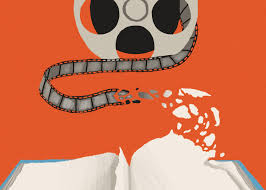
It’s the weekend, and you have decided to head to the movies for once. You’re excited, and the movie you’re going to watch is actually an adaptation of one of your favorite books! The trailer and reviews have been promising so far, so you are expecting the movie to be great. You walk into the assigned movie theater, and the movie finally begins. Before you know it, the movie has ended, and you are stunned by what you have witnessed. As you leave, you question everything: the characters, the conflict, the plot— since when did the book ever portray them like that? Well, welcome to the modern world of movie adaptations, a time where not every book-adapted movie needs to necessarily follow the plot, themes, or messages of the story. Yet modern adaptations increasingly feel entitled to rewrite endings, replacing tragedy with forced happiness.
In recent years, I have noticed that more and more movie adaptations have begun to stray from the plot they were trying to follow. Not every adaptation fails, but it is evidently becoming more noticeable. One of the greatest changes I have noticed was in two recent movies: Frankenstein and Wuthering Heights.
Frankenstein—adapted in the year 2025, the movie adaptation of the original book by Mary Shelley—seemed promising. The book revolves around a scientist named Victor Frankenstein, who creates a monster. Victor then abandons the monster, leading to a path of destruction. This shows a recurring theme of isolation, and the novel ends with Victor chasing after the monster before dying of exhaustion. The monster, now filled with regret, promises to kill himself. Now, this is what is supposed to take place originally, but the movie decides to take a different approach.
One of the first things I noticed upon watching this movie was the romance. While this romance doesn’t hold a significant shift to the plot or the theme, it does stray from the book’s original idea of isolation. When the monster is supposed to be chasing after the man who had created him, he’s falling in love with a woman, too.
Another concern I had was the ending. It’s supposed to be tragic, but all that we witness is something of a sob scene where Frankenstein and the monster have a father-son bonding moment and decide to forgive each other for how much pain they have caused. I’m glad there’s reconciliation, but isn’t this a bit too much like a fairy tale? The movie ends with them both forgiving each other, and all of a sudden, all the hatred they had held for one another for ages is gone. Taking the haunting story and turning it into a tale of forgiveness might feel like a good idea, but it strips away the tragic ending that makes Frankenstein what it is: a story about vengeance.
Now, the Wuthering Heights adaptation is where everything changes completely. This includes everything from the relationships to the entire plot in general. The book, published by Emily Brontë in the early Victorian era, is a work of Gothic fiction. It centers around the themes of revenge and social class, being the most prominent throughout the entirety of the novel. The plot focuses on the destructive love between Heathcliff and Catherine Earnshaw, which leads to it haunting their relationships and future generations. So this sounds pretty easy to follow, right? Well, it didn’t seem so for the creators of the movie.
One of the first signs that the movie wasn’t going to be completely similar was when the director, Emerald Fennell, insisted that it would take a more modern approach. Okay, sure, except when she meant modern approach, it meant putting an outfit made out of translucent plastic and all the brightest colors of the rainbow into the movie. Not only this, but the film also suggests taking an approach towards the lovers of romance rather than tragedy. The movie continues to take liberties with its backstories and characters’ personalities. At the end, the movie seems more like a really heavy romance movie rather than a Gothic one. In doing so, the adaptation loses the haunting atmosphere that made Wuthering Heights timeless—another example of how modern adaptations trade the story’s authenticity for mass appeal.
In the end, it seems that many modern adaptations are failing to remember what made the stories they’re following so powerful. By replacing a tragedy with romance and a complex plot with something simple, they take away the emotion and depth that made the originals what they are. Perhaps it’s time for filmmakers to finally place their trust in adapting the books rather than their imagination.