

























































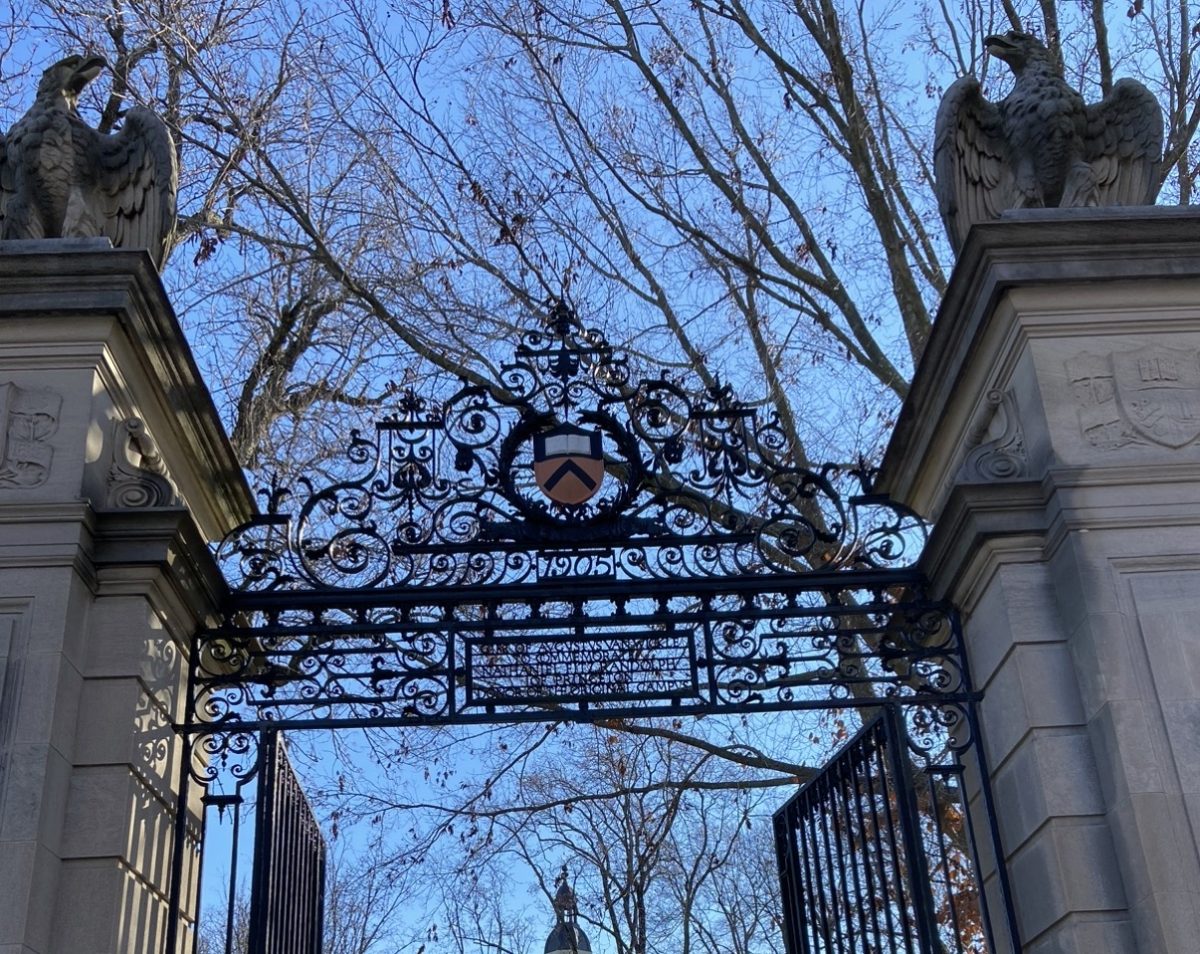






































































Today, a lot of people no longer think of college as something that represents opportunity. Rather, it has turned into something that brings about confusion and risk. While there are thousands of colleges in the US, the public’s perception of education is primarily dominated by a small group of prestigious and elite institutions. Ivy League schools, especially, have become the main faces of higher education. And this is a problem.
A recent Yale report acknowledged that colleges “bear significant responsibility for plunging public trust in higher education.” When even one of the top universities in the world are willing to admit that such a risk exists, it becomes clear that the problem is a pressing one.
Increasingly, a loss of trust from the public has become apparent. According to The New York Times, only about “35 percent of Americans regarded a college education as ‘very important’—half the number who thought that in 2013.” The significant decline in percentage clearly shows a major shift in how people view college as an institution.
Part of this problem is due to the cost. Although elite universities provide top-tier education, it also comes with extremely high prices. Even though financial aid reduces the drastic cost for some students, the system is still in disarray. The Yale report admits that this current system has brought about “disastrous impact on public trust” because of just how “complicated, unpredictable, secretive and highly variable” the system is. College, once a path that brought about opportunities, is now something that people avoid due to financial uncertainties.
Money is just part of the problem; the admission process is a whole other story. Ivy League schools promote fairness and merit, but often, their systems feel impossible to understand. The report explains that when admissions seem “inexplicable—or, worse, tilted in ways that benefit the already advantaged,” it’s no surprise people lose trust. Without clear structure, Ivy Leagues are losing and have already lost a significant portion of the people’s trust.
Thankfully, interest in higher education is still present. A report from Gallup states that the majority of “U.S. adults not currently enrolled in a degree or credential program (57%) say they have considered pursuing at least one in the past two years.” But hesitation continues to grow because of cost and uncertainty. Additionally, “seven-in-ten Americans now say the higher education system in the United States is… going in the wrong direction,” reports Pew Research Center.
What makes the current situation even worse is that colleges are trying to be everything at once. The Yale report explains that universities are expected to be “selective but inclusive, affordable but luxurious, meritocratic but equitable.” This makes it nearly impossible for institutions to have a clear and defined purpose. And when colleges don’t have a clear identity, it is easy to lose confidence in them.
If public trust is to come back and recover, colleges have to shift away from the idea of being elite and prestigious. They must instead move toward what they were actually supposed to do: provide education, career preparation, and real opportunities. Until this happens, the Ivy League will simply continue to shape a version of higher education that feels increasingly out of touch with reality.