



































































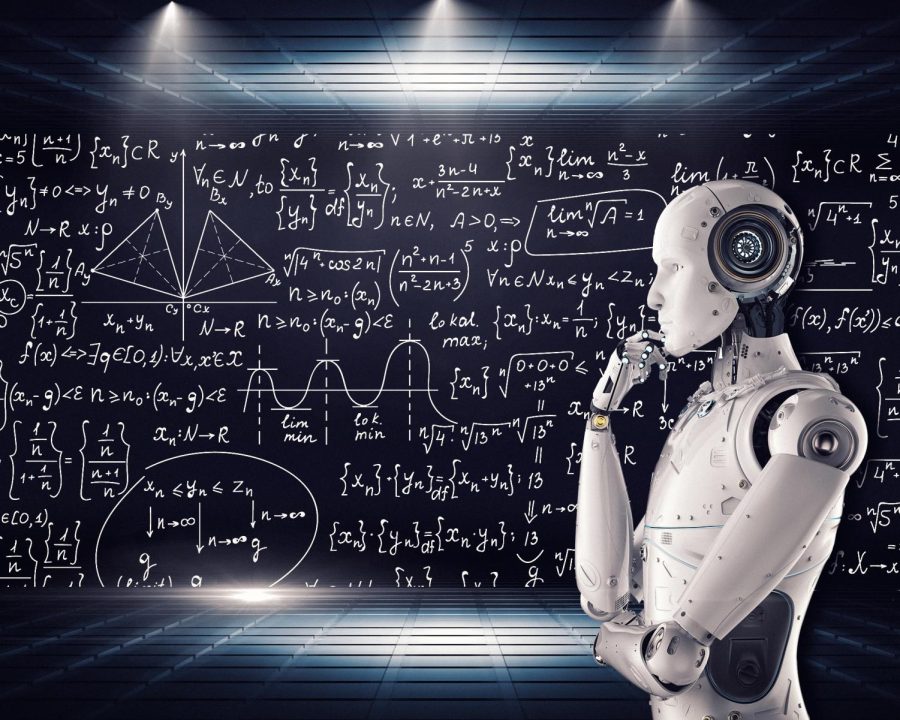


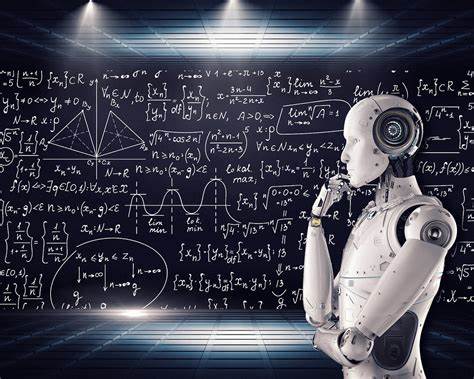





























































In many K-12 classrooms today, artificial intelligence (AI) is treated less as a tool to be understood than as a danger to be contained. Students constantly encounter blocked websites, restrictive monitoring software, and a steady stream of warnings about the perils of “overreliance.” The prevailing message is very clear: AI is an adversary to learning, something that must be policed rather than a skill. Such a stance appears increasingly out of step with the world in which today’s students live—and perhaps even with the practices of those educators who warn students against such an impact.
The truth is that AI is already embedded in academic lives. For many, it is inevitable, both for students and educators alike. Teachers often use it to draft materials and tasks, generate examples, and do administrative functions. Professionals across industries rely upon AI to analyze data and information to facilitate creative work because it is efficient, allowing time and attention to be diverted to other work, in which AI cannot replace humans. To pretend students must remain untouched by such a critical technology shaping our world is not just unrealistic but pedagogically shortsighted. Restriction does not foster integrity or critical thinking. Instead, teaching does.
The fear that AI will erode students’ analytical abilities or tempt them into academic dishonesty is not unfounded, but it is incomplete. Like any tool, AI can be abused, misused, or both. However, there is also potential for it to be very transformative when wielded with intention. It can assist students in deconstructing difficult concepts, structure their thoughts, create study materials, and view issues from perspectives they wouldn’t have thought about otherwise. The real issue isn’t whether or not AI should be part of education; it’s whether students will be taught to use it with discernment.
Some schools have already begun to reimagine what this could look like. The New York Times published an article profiling Alpha School, an innovative AI‑powered learning model built around personalized, competency‑based instruction. Using adaptive software, Alpha School tailors instruction to each learner, allowing students to move through their core academic work in roughly two hours each morning. The rest of the day is devoted to workshops that cultivate real-world abilities such as public speaking. Alpha School’s philosophy couldn’t be clearer: If education aims to prepare students for the future, it cannot deprive them of the tools that will define it.
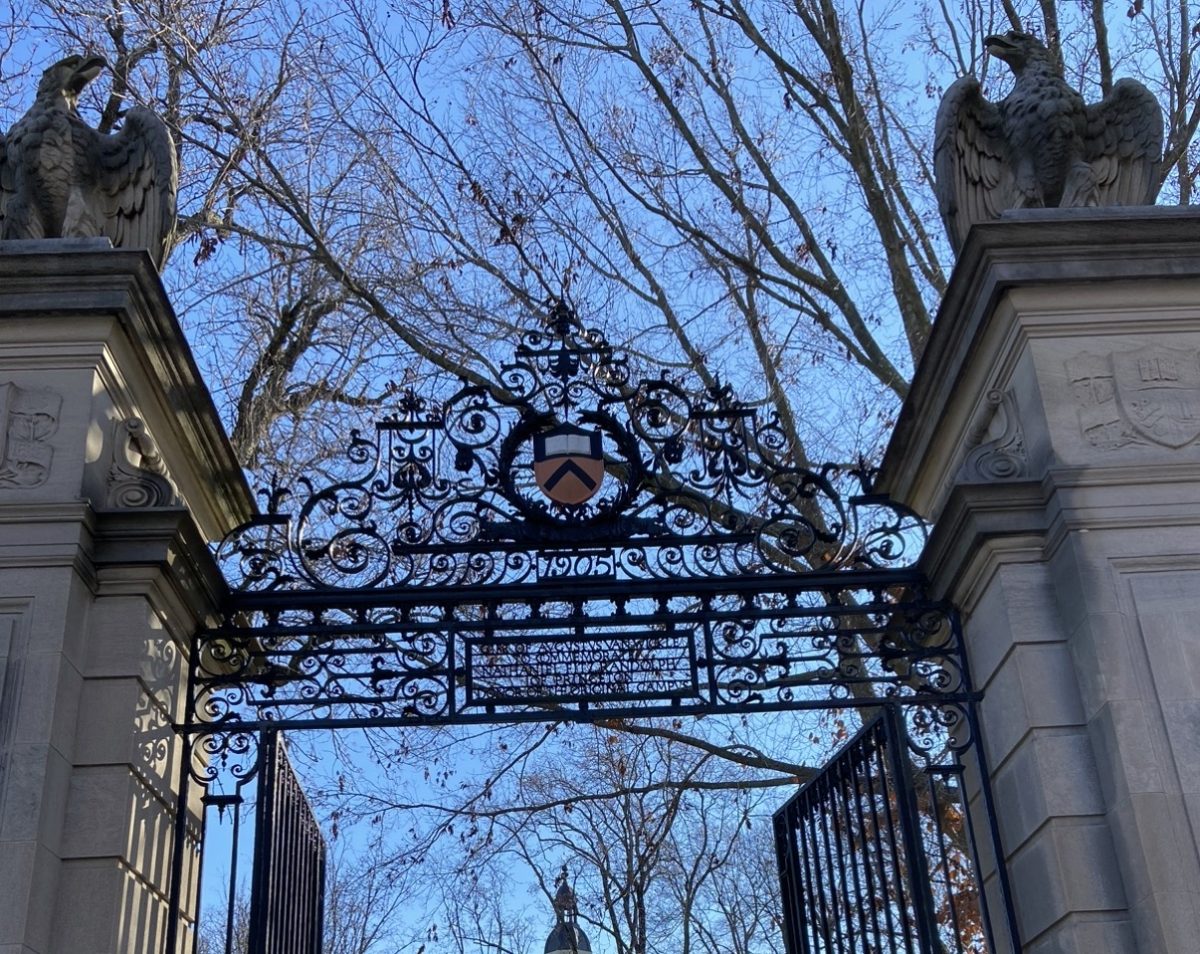
Higher education is moving in the same direction. Princeton University now permits generative AI in senior thesis writing, a shift introduced in its 2026 handbook, so long as the analysis and interpretation remain the student’s own. This new approach at Princeton is in stark contrast to what the university had stipulated in its 2025 guidelines, which allowed AI only under strict disclosure, documentation, and verification requirements. In light of the fact that Princeton University is one of the top academic institutions in the nation, the idea of protecting K-12 learners from AI looks more like avoidance than prudence.
The educational system is in a unique position to deal with this problem. For K-12 schools, they have the chance and even the obligation to fill this gap. Instead of limiting the use of artificial intelligence, educators can teach their students to authenticate information, discern when AI helps or hinders them, and utilize it as a support structure in learning. To support this type of system, assessments can change as well; in-class handwritten essays, oral presentations, and Socratic seminars all inherently emphasize students’ own thinking and cannot be completed by AI alone.
We all know artificial intelligence is no longer an emerging novelty, but a dominant factor in the way we learn, work, and solve issues. Those who do not learn to navigate it well will find themselves in a world for which they are fundamentally unprepared. Education has always been about providing students with the means to prepare for the world that they will inherit—the world which now features AI at its center. Adjusting to such a reality demands a shift in mindset from restriction to responsibility and from fear to fluency. Schools should not be teaching students how to avoid AI, but how to use it thoughtfully, ethically and independently—an attribute that no algorithm can replicate.