









































































































































Energy drinks. Protein intake. Calorie deficits. Detox and debloat. These words and phrases have been encircling our everyday lives, whether it’s in the videos we watch on social media or the conversations we have with others. Fitness has grown in popularity as gyms are packed during after-school hours with teens getting their lifts and cardio in before the day reaches its end. For many, however, this new healthy hobby can oftentimes take a sharp turn, and what’s intended to be beneficial for the body becomes detrimental for the mind. What exactly goes wrong, and is there a way we can prevent it from happening?
Let’s start off with the most modern and obvious culprit of this frenzy: social media. As we all know, social media platforms are meant to show videos, whether they bring laughter, sadness, excitement, or even news. Content creators usually build their platform through such videos in order to gain followers. On the fitness side of things, people are likely to follow creators that show their desired physical results, using them as role models or helpful references to achieve their own goals. But here’s the reality: we can never truly know what occurs behind the screen. Whether it be through facial editing or displaying only certain angles in the mirror, social media is unreliable. The danger comes when we become overwhelmingly obsessed with achieving unattainable results and end up following the regimes of people online who are neither doctors nor nutritionists. Many strive to attain an unrealistic look that may have been achieved by another through medical procedures or unnatural measures. As influencers simply reveal what the public will be satisfied with, viewers are left chasing unrealistic standards.
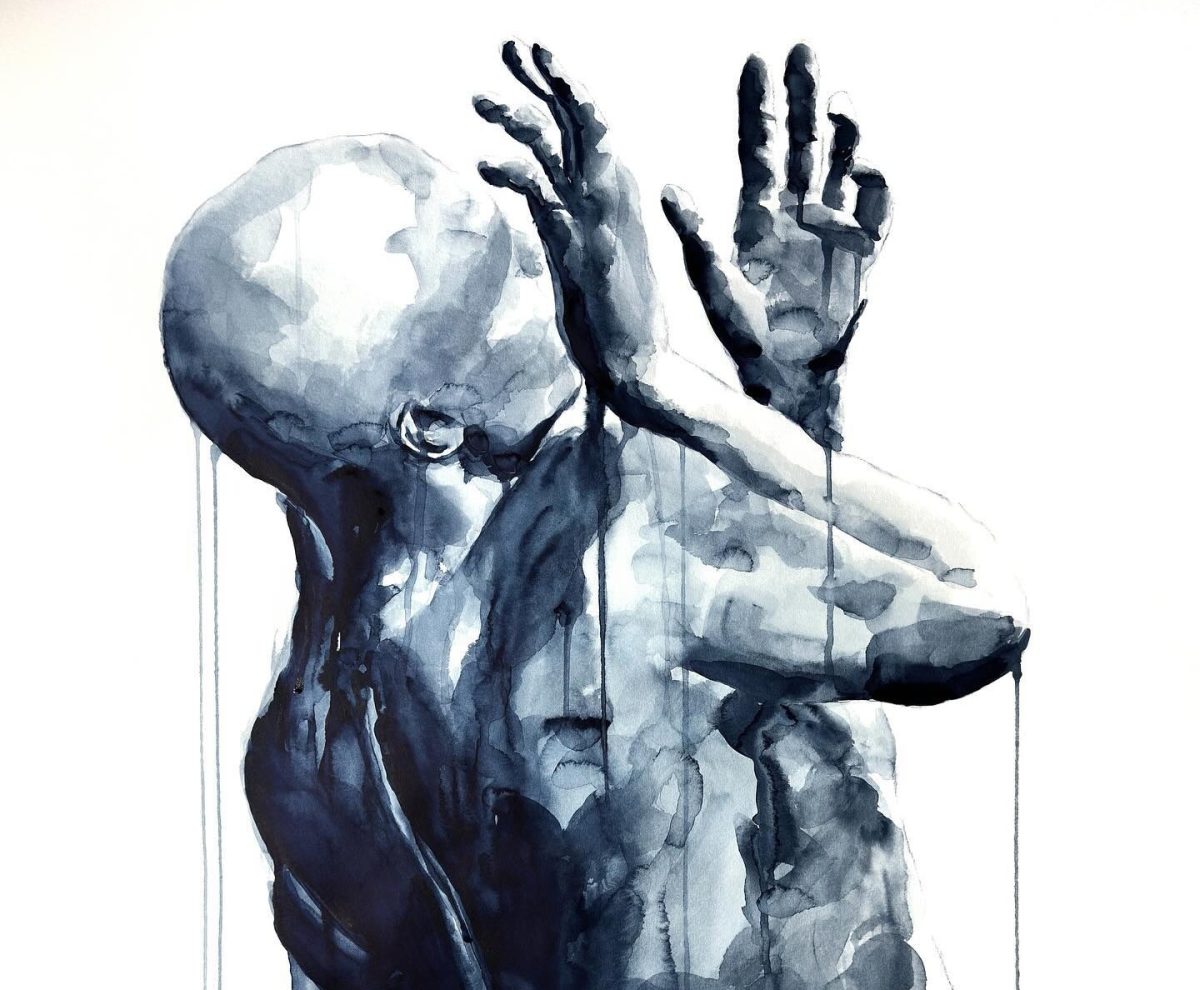
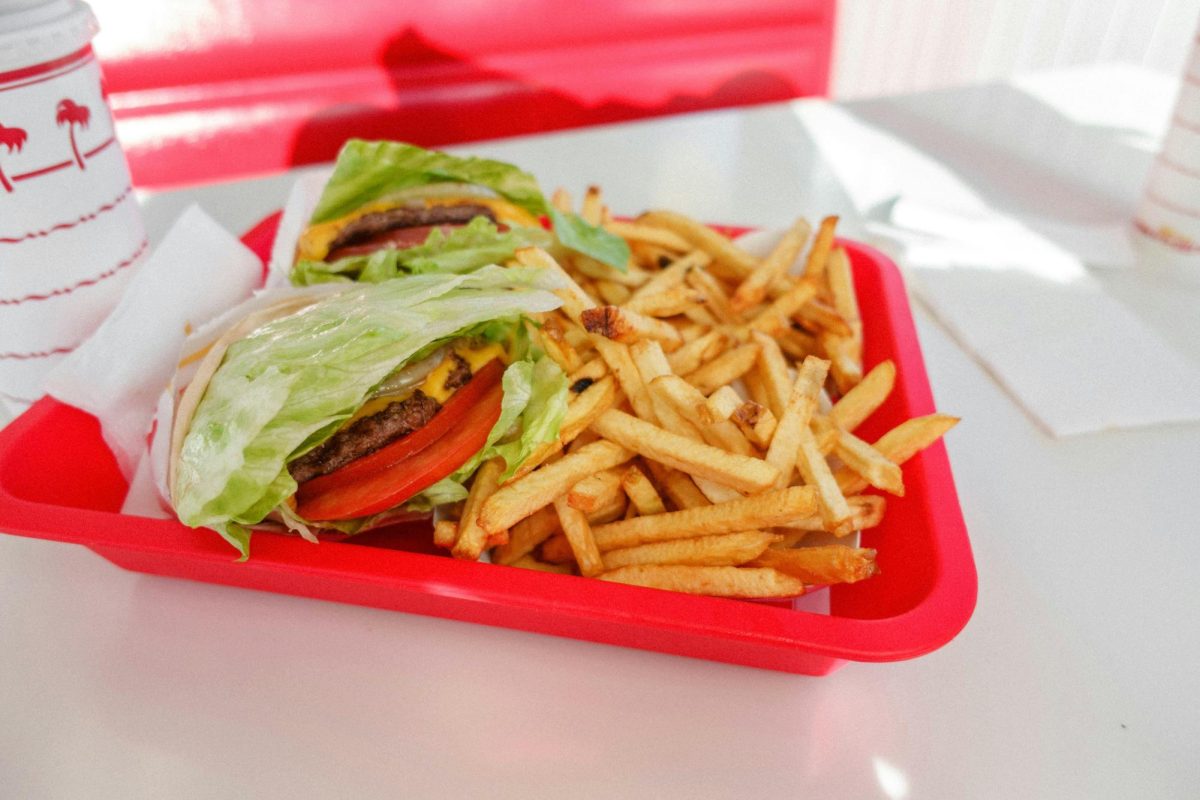
According to Merriam-Webster, obsession is “a persistent disturbing preoccupation.” If you find yourself constantly letting your “goals” take over every aspect of your life, occupying your mind throughout the day, then an obsession may be present. Many teens struggle with their body image and reach the point where activities that were once enjoyed become guilt-inducing. Weekly fro-yo runs with friends may turn into discontent with one’s self and even complete restrictions. A life completely stripped of sweet treats? That can’t be fun! Whole meals may be skipped in the hope of gaining that six-pack in less time. Ultimately, this lifestyle will only result in a never-ending cycle of discontentment and an unhealthy relationship with food. Healthy bodies, especially growing ones, need the nutrition and fuel that balanced meals offer in order to develop not only physically, but also cognitively. In fact, studies from the National Library of Medicine state that “skipping breakfast impacts… attention and memory,” and that students who skip meals often “underperformed in cognitive tests.”
Poor test grades plus no more ice cream? I refuse. A life of enjoyment is crucial for a person to function properly throughout the day. In reality, eating your dessert will most likely do no harm. It’s more important to remember that skipping breakfast would be just as detrimental to your health as eating junk food all day. Balance your day with physical activity, nutritious meals, and mental sanity. Don’t drive yourself crazy trying to reach these standards that society has set as a trap for us to fall into—a majority of influencers on social media are in fact displaying fake bodies and insufficient meal portions.
A full day of learning and social interactions with others, as well as extracurricular activities, whether they require physical exertion or mental efforts, are scientifically proven to not be done to the best of one’s ability without full meals. Similarly, I am living proof that a happy mind is necessary to stay joyful, as shown by my mandatory Friday night fro-yo runs. Eat your vegetables but also the birthday cake. Go on a walk when it is 70 degrees Fahrenheit. Delete social media for the day. A life of moderation and balance is essential for the body and mind, the two things you’ll only ever get once in your life. So take good care of them.