




















































































































































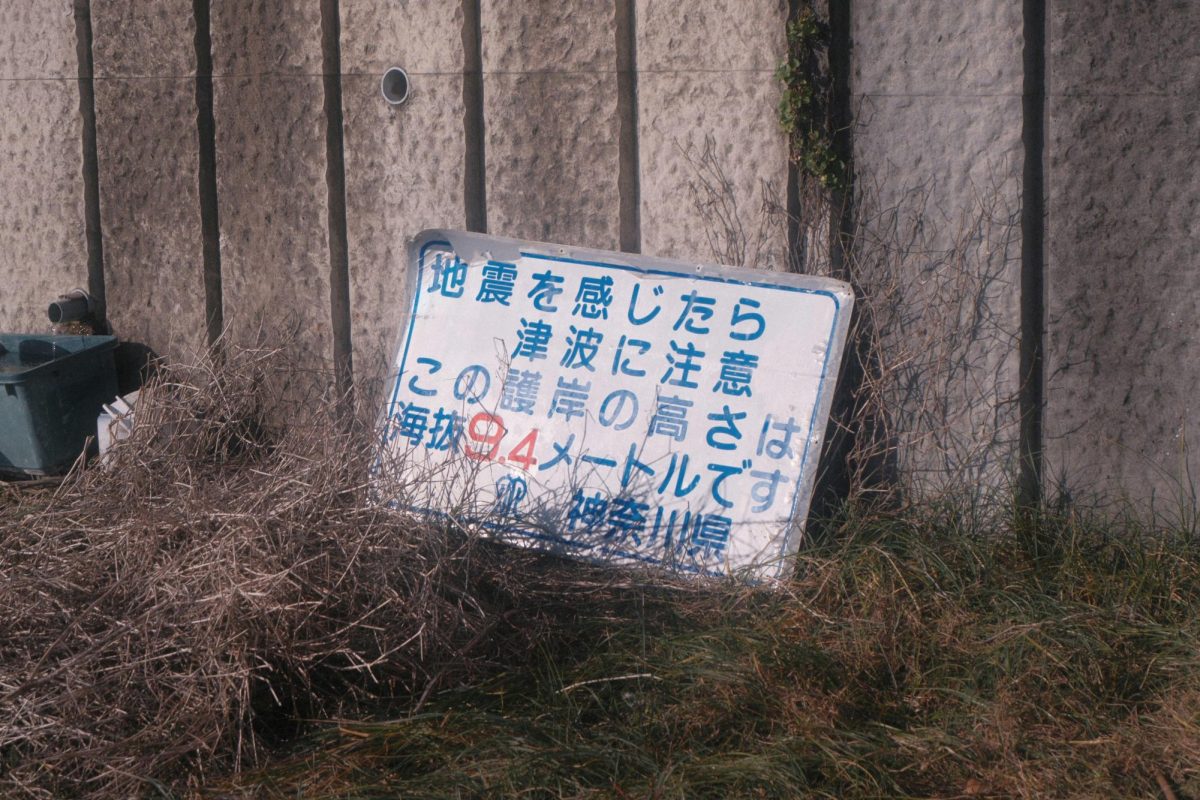
On April 20, 2026, a massive 7.5 magnitude earthquake struck Japan at approximately 4:52 p.m. local time. The epicenter of the quake was confirmed to have occurred off the northeastern coast near Iwate Prefecture. Immediately after it occurred, the Japan Meteorological Agency (JMA) issued a tsunami warning, urging tens of thousands of citizens to move away from coastal areas and evacuate toward higher ground. The warning estimating 3-meter tsunami waves was later downgraded to a tsunami advisory and eventually lifted altogether. Tsunami waves did hit the coasts, but were relatively small. As reported by the BBC, the largest recorded waves were 80cm. The previous magnitude record of 7.5 was later revised to 7.7 for undisclosed reasons, according to CNN.
During an emergency press conference held by the JMA on the same day, the agency issued an earthquake advisory. Under the special statement, 182 towns were urged to prepare for a potential stronger earthquake and take appropriate measures in response to this, according to NHK. The earthquake advisory issued by the JMA and officials from the Japanese Cabinet Office informed that the probability of a megaquake with a magnitude 8.0 or higher occurring nearby within the next week was 1%. This chance is roughly 10 times higher than the 0.1% chance of a megaquake during normal times, according to NHK.
Officials are also stressing to citizens to remain calm amid the issuance of the megaquake advisory. The spread of disinformation on the internet has falsely claimed that the government is making earthquake predictions, confusing some Japanese citizens. Furthermore, trauma from the devastating 9.1-magnitude earthquake and tsunami that occurred in 2011 has further heightened anxiety, as stated by BBC. Despite public unease, experts and officials have continued to push citizens to stay prepared for anything over the next week.
There was no significant widespread damage caused by the earthquake. Bullet train services were temporarily halted due to power outages, but were quickly resolved, allowing operations to resume as normal. The Fukushima Daiichi and Fukushima Daini nuclear plants also reported no abnormalities, according to NBC.
However, on Monday, April 27, a magnitude 6.2 earthquake rattled southern Hokkaido early in the morning. It had been exactly one week since the magnitude 7.7 earthquake, and another significant tremor struck near the epicenter of the last. This time, there were no tsunami warnings issued.
JMA official Ayataka Ebita spoke in a news conference shortly after the magnitude 6.2 earthquake struck. He stated that the latest earthquake is a separate matter unrelated to the special megaquake advisory issued for the magnitude 7.7 earthquake, according to The Japan Times.
Although the special advisory for the previous earthquake expired at 5 p.m. on Monday, the same day the latest quake occurred, the risk of future tremors remains, and the government is consistently urging Japanese citizens to be fully prepared at all times by mapping out specific evacuation routes and storing emergency supplies, should a natural disaster strike.
Japan is an archipelago that is prone to many natural disasters, particularly earthquakes and tsunamis. The country accounts for 18% of global earthquakes each year, according to The Japan Times.