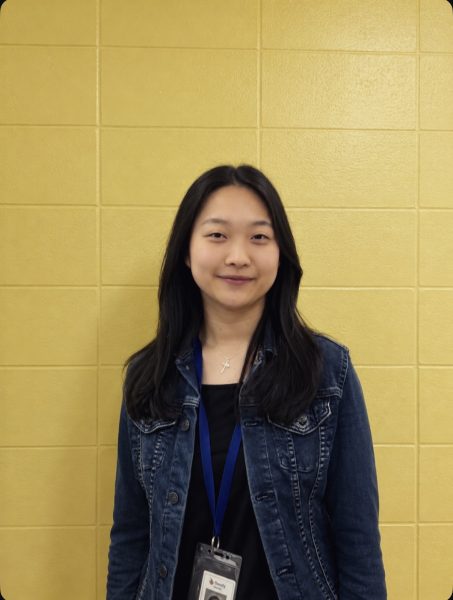





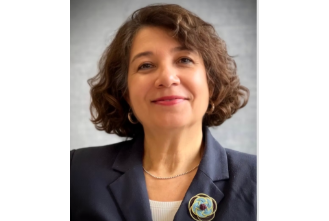
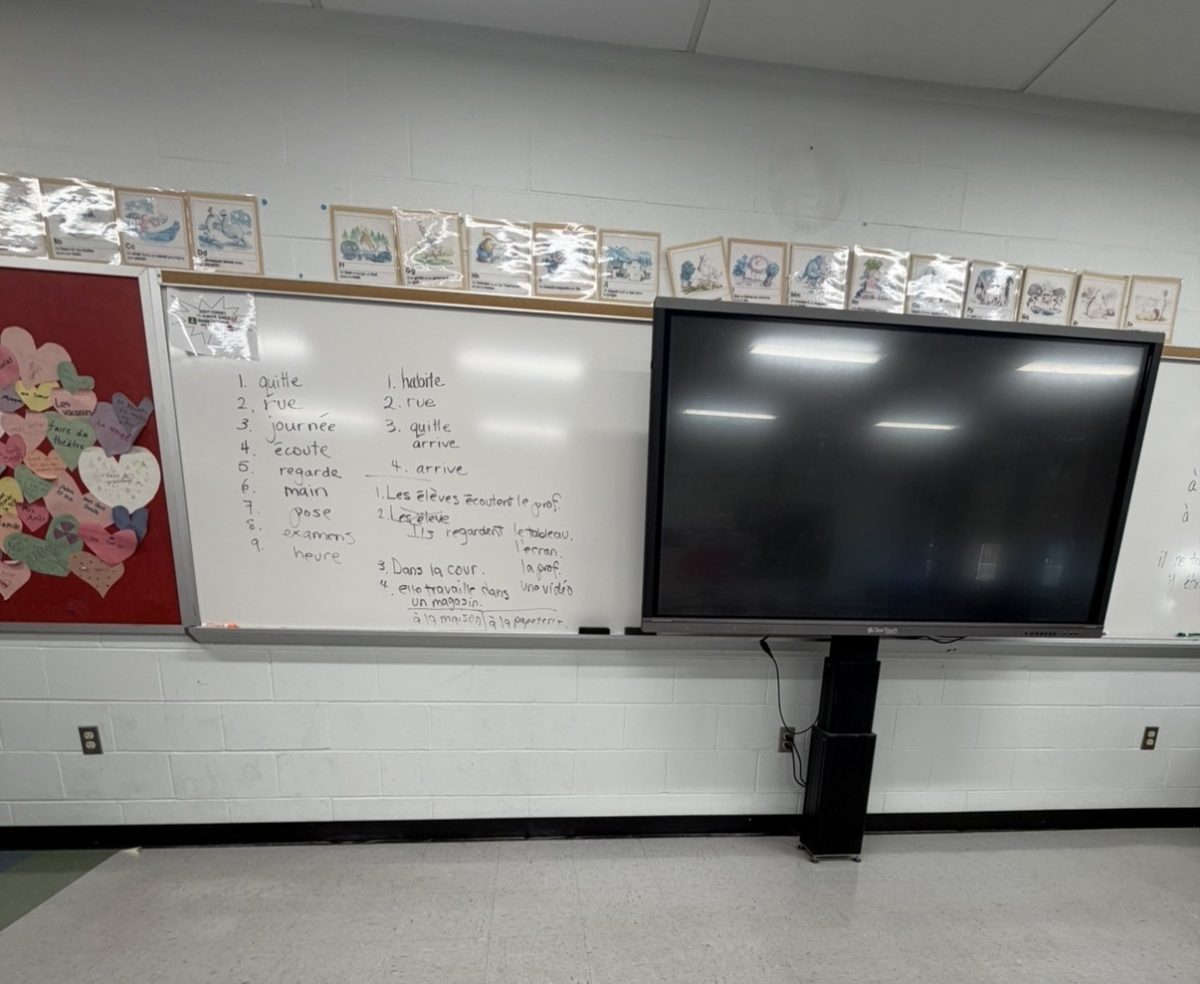



































































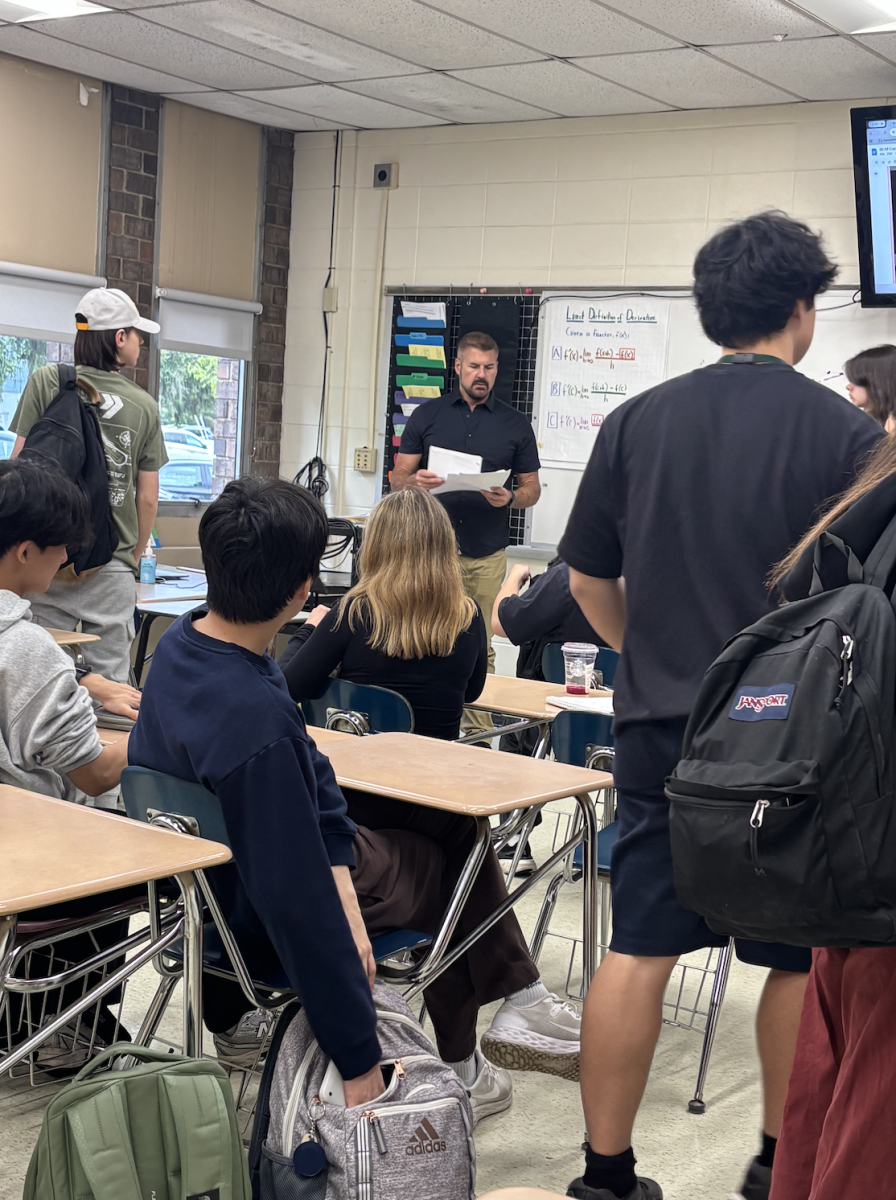












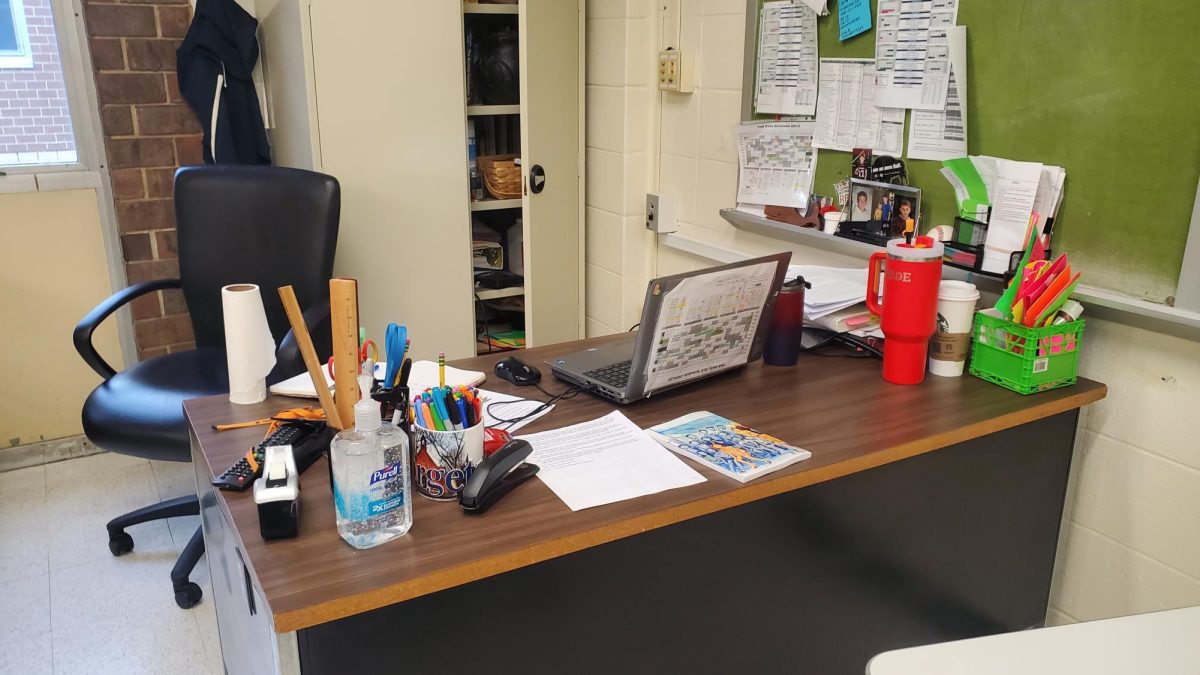
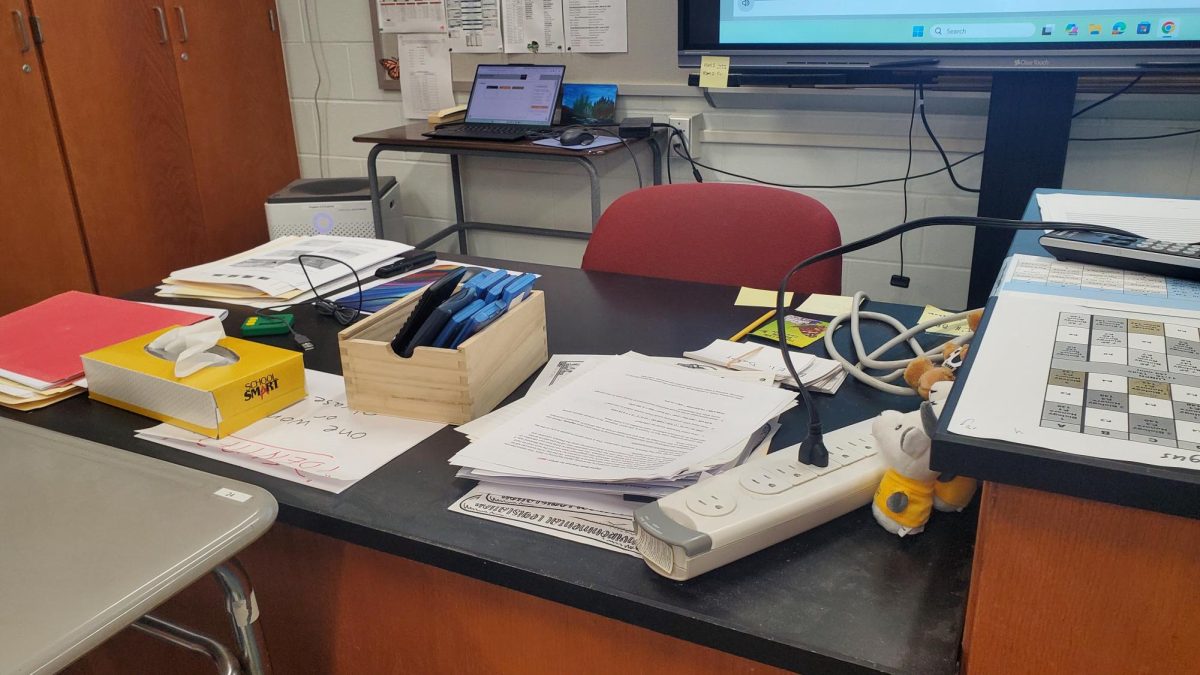













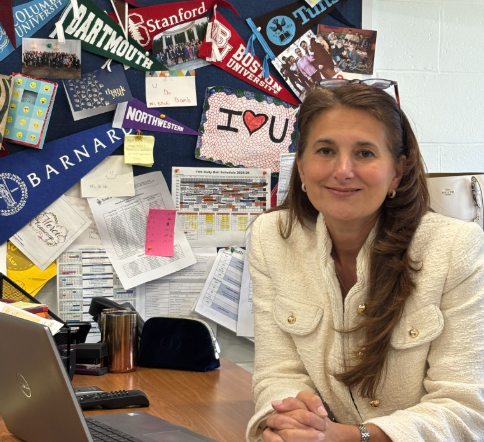
For the past few years, Tenafly High School has been steadily waving goodbye to some of its most familiar faces, and this year is no exception. After 34 years in education, Madame Bilali is preparing to close the door to Room 114. From basic phrases like “bonjour” and “au revoir” to more advanced communication, her classes have always been a testament to progress in the art of language.
What classes do you teach?
French 1, French 2 CP, French 3 CP, French 4 Honors, AP French Language and Literature, and Spanish 1.
How many years have you taught, and how many of those have been at THS?
My total years of teaching is 34 years; at THS this will be 24.
What inspired you to become a teacher? How did you find your interest in French?
I knew I wanted to be a teacher since I was in high school. Being a French teacher came into focus as I took the language. It was very easy for me and I liked it. I believe that at the time my French teacher was a role model. She was a very strong woman, and I didn’t have many of those in my life at that time; I’m pretty sure that influenced me. I initially went to college as a French Language and Literature major, with a minor in education and political science, and added Spanish Language and Literature as a second major later on.
I come from a home where my dad is very academic, and I held the highest regard for teachers. I’ve always had the opinion that the teacher was the second adult in my life after my parents. So, I felt very strongly that one of the main reasons I wanted to be a teacher was that I could be a good example and a guiding force for young people. I’ve even said in class so many times, think about how much time you spend in this place with teachers. So, inevitably, they’re going to influence you somehow. Put that together with the subject that I love—it was just an automatic kind of choice.
What were your first years of teaching like? In what way do you think those early years differ from now?
It’s been a long road. My first job was at Teaneck High School as a leave replacement for a teacher who was recovering from surgery, and I was hired back as a full time teacher. I stayed there for two years total, then I looked somewhere else. Then I got a job in Butler, New Jersey, at Butler High School. I taught there for four years, but I was only part-time and I needed full-time back then. After a little searching I was hired at Paramus High School as a full-time French and Spanish teacher. Then I had my son, so I took a year off from teaching.
To be honest, I didn’t think I was going to go back. But one day I just said “let me see what’s out there,” and—lo and behold—Tenafly High School had an ad for a part-time French teacher. I jumped at it; it was close to home, part-time, and I had a young child, so it was perfect. Actually, I didn’t get the role, but I was called back with an offer for a part-time position as a Spanish teacher. I took it, and I’ve been here since. I think part of the attraction was that there was a healthy French program as well.
I was very shy. I was not a native speaker, so French, you know, I was not great at it in the beginning. Thankfully, I just had lovely students. I’m a very organized person; I know how to teach. I’ve known that from day one how to transmit information to kids so that they can process it. The content comes over time. Slowly, my French got better, I started to travel more, and with that came confidence as well.
But oh, my God, I’m a different human. I’m much more expressive. I’m much more in tune with my students. Confidence makes all the difference in the world. I love the back and forth with my students, whereas probably in the beginning I was afraid to open up like that. And you have to be careful when you open up as a teacher—you know, it can’t be too personal. There’s got to be lines. But the joy of this profession has always been the relationships that I do successfully create with my students.
I think raising kids has changed my perspective on students. I do see these kids as children, as someone’s child, which means that they are precious to someone. I think looking at these kids through that lens creates a better environment in the classroom. The kids know that I’m not against them. I am here for their support—I’m happy when they succeed, and it’s my job to try to do everything I can for them to succeed, just like a parent would.
Is there a particular lesson or unit that you’ve always loved teaching? Why?
I think that there’s, again, there are so many. As a world language teacher, I feel really blessed because we move through very relatable themes, and that brings me closer to my students. It’s about life—food, traveling, driving, relationships with your parents, your siblings, where you live. It fosters conversation.
My favorite lesson—I’d have to get back to—but my favorite subject has always been literature. French literature is amazing and full of so much wisdom. I’ve done less of it over the years, especially after COVID, but put me in front of the classroom, sitting with the kids, sharing ideas, getting them to thoughtfully consider a text and what they can draw from it—that, for me, is my favorite.
What advice would you give to new teachers just starting their careers?
Everything I just said—keep in mind that these are somebody’s children, always. That’s someone’s pride and joy. I would tell new teachers to watch and listen, but also start realizing who you should go to for advice and follow.
A lot of times they pick the wrong person or just stick with whoever’s around—old people, new people—and those aren’t bad, but you need to look around and find someone knowledgeable, someone you can relate to, and who might have good advice for you.
What do you hope students take away from your classes?
I’m going to go back to the literature that I used to teach. There’s a novel, and the saying there is you have to cultivate your garden. What he really means is you have to have experiences that you learn from—good and bad. But in order to learn from them, you have to actually have them.
So in 2026, you gotta get out of your bedroom. You gotta get away from behind a screen and go out and meet people, have conversations, and experience different emotions. Play a sport, play a musical instrument, read a book, go see a movie—things that are gonna open up your mind. That’s what it means to cultivate your garden.
And for me, the biggest impact is maybe the smallest—it just makes them think. And if I’ve done that, I’ve succeeded.
Would you say that there’s something in Tenafly’s education that differentiates itself from other schools?
It’s a dedication to its students. We have such amazing teachers in this district—teachers who will take the ball and run with it. I’m surrounded by them. The community is very academic-minded, and it’s a partnership.
Parents bring us their children and trust us to help them grow into good human beings and strong students, and we accept that charge. The staff supports the community and the community supports the staff—it’s a win every time.
After more than three decades in the classroom, Bilali’s teaching has been shaped by experience, relationships, and a growing belief that learning is as much about people as it is about content. What remains most clear is the impact of those everyday interactions that define a career far beyond any single lesson. Yet beyond the structure of courses and classroom practice, there is a more personal story that emerges—one found in the memories, reflections, and moments that only become visible after years spent in one place.