


























































































































Last month, Dictionary.com’s Word of the Year was chosen: 67 (pronounced six-seven, as opposed to sixty-seven). Many of you have heard the term before, for better or for worse. Much can be said about how this viral trend emerged and its far-reaching effects.
It is widely believed that the trend began with the song “Doot Doot (6 7)” by the rapper Skrilla, according to sources such as CNN and Forbes. The lyrics for the song were then paired with highlights of basketball superstar LaMelo Ball, who plays for the Charlotte Hornets and just so happens to be six feet and seven inches tall, resulting in the birth of 67.
67, just like Italian brainrot earlier on in the year, appeals specifically to younger generations. It’s impossible to explain 67: the term is incomprehensible, absurd, and the fact that it’s used with zero context in most instances gives it the inherent characteristics of brainrot. It’s another buzzword that is part of a larger trend, further revealing the linguistic and cultural gap between members of younger and older generations.
Another contributor to 67’s popularity has to do with its ties to various aspects of meme culture. Specifically, 67 most closely mirrors other specific numbers that rose to success because of their call-and-response format. 21, which used to plague classrooms as well, often followed the question, “what’s nine plus ten?” Similarly, after 67 comes up, the reaction is to repeat it in the same tone as Skrilla with the accompanying up-down hand gesture as if someone is comparing two options.
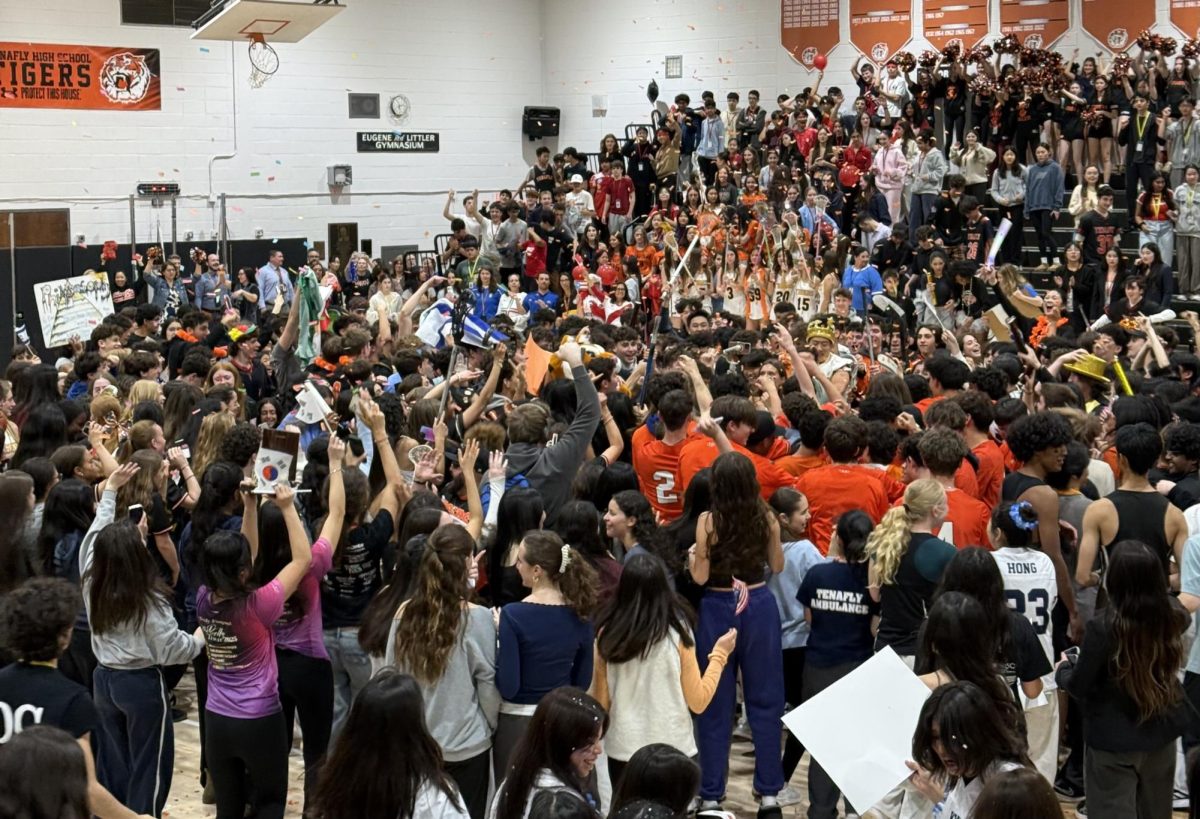
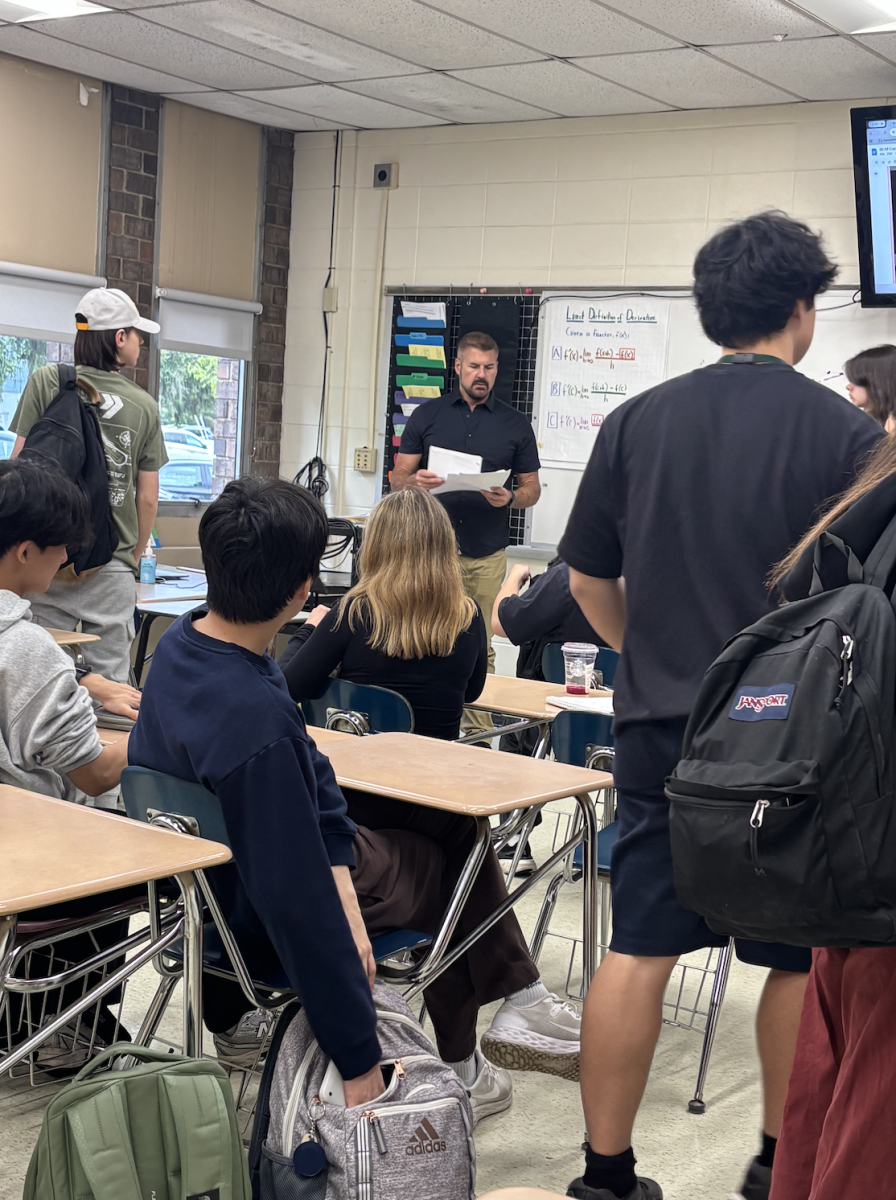
This social nature of 67 is what makes for its seamless integration in schools. Since 67’s take-off, Gen Alpha and Gen Z-ers alike have made uproars with the phrase in classrooms across the United States, parroting in unison after the teacher uses the term unknowingly in class. Even South Park, an American animated television series, has dedicated an episode solely to parody students’ use of the term.
As a result, Dictionary.com had good reason to select 67 to be its Word of the Year. The winner and shortlisted candidates for this honor are supposed to “serve as a linguistic time capsule, reflecting social trends and global events that defined the year,” according to Dictionary.com. “Searches for 67 experienced a dramatic rise in the beginning in the summer of 2025. Since June, those searches have increased more than sixfold.” The term’s sudden skyrocket in usage follows the criteria to be a nominee for the Word of the Year, eventually beating out other strong contenders such as broligarchy, clanker, and aura farming. In their article, Dictionary.com also acknowledged the ambiguity associated with placing a definition for 67, acknowledging that the complexities of the phrase are impossible to explain in full.
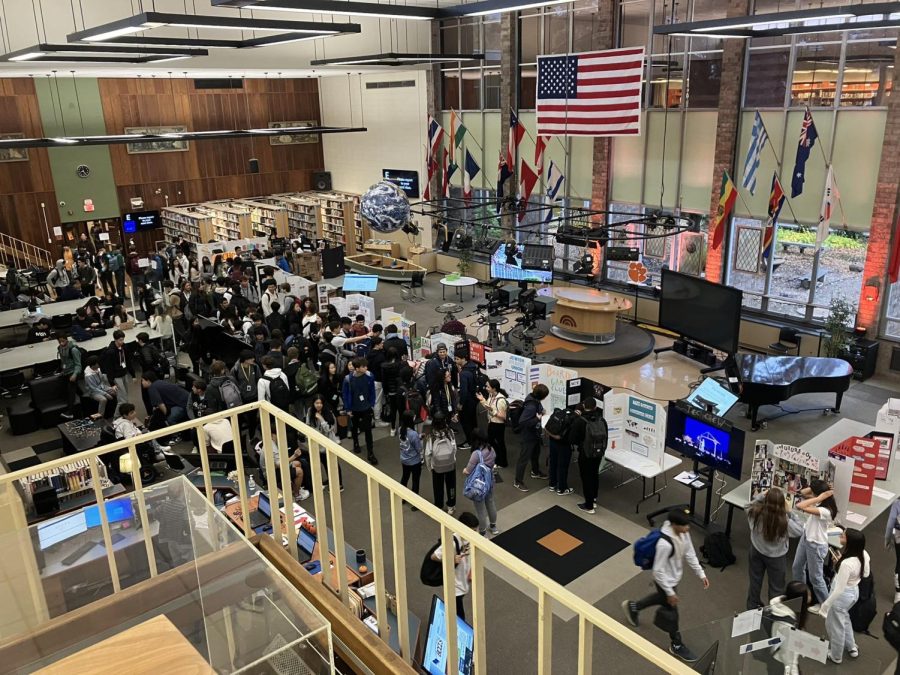
Many members of the Tenafly community have had encounters with the 67 trend. Veronica Capone, a teacher for programs such as Teen Pep and Senior Peers, acknowledged the cultural gap between young viewers who are up-to-date with these kinds of trends and people from older generations.
“I attended an adult Halloween party and utilized the 67 trend as a Halloween costume. Only a few people who were in education knew what it meant, and they thought it was great! Those who are not associated with young people had no idea what it was,” Capone said. “I think it [67] is a wholesome movement. In this day and age, there are a lot of worse things people could be saying.”
Romi Lipzin (’26), the president of the Student Organization, expressed the seemingly ubiquitous presence of the 67 trend in student life.
“I think since six and seven come right after each other, even if you’re just counting and you get to those numbers, people are going to stop and start laughing,” Lipzin said. “I’m waiting for the trend to die down, but it hasn’t died down yet. Maybe a little bit, but people still laugh at it.”
Daniel Nyfenger, a psychology teacher and coach of the school’s cross country team, described how he actively avoids saying the numbers together.
“You cannot use the numbers six and seven consecutively in any space where there are teenagers. There have been several times when I have caught myself counting and have stopped counting because the impact of saying those two numbers back-to-back is… a complete disruption of the class,” Nyfenger said. However, he also acknowledged the way the 67 trend can bond people together. “It [the trend] might speak to our collective desire to all be in on the same joke. When something comes up that unites us, it’s appealing, even if it’s something as stupid as 67,” Nyfenger said.
Ultimately, when students glances left and right while concealing a chuckle after their teacher says the magic number, they’re just trying to search for other people to share their mirth with. While its meaning is quite unclear, and its use the subject of some controversy, 67 is more than just a silly number that today’s youth are obsessed with—it’s proof that we all yearn for solidarity.