
























































































































































The United States has officially reached a startling milestone in public safety. According to a landmark analysis released recently by the Council on Criminal Justice (CCJ), the national homicide rate in 2025 has likely plummeted to its lowest level since 1900. This may just mark a definitive end to the violent spike that gripped the entire nation during pandemic years. The 21% year-over-year drop represents the largest single-year decline in American history.
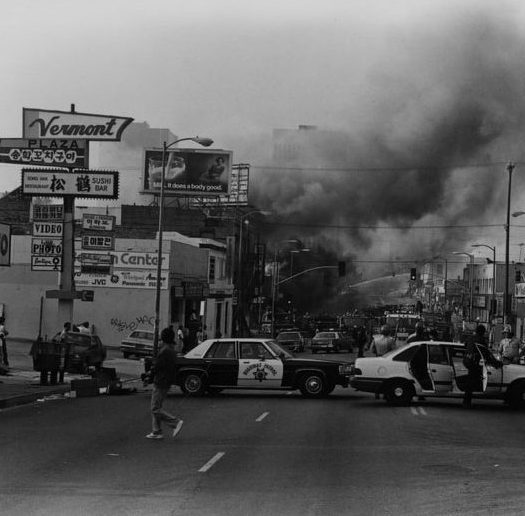
Just five years ago, American cities were reeling from an extreme surge in violence that many experts feared would be permanent. However, the 2025 data suggests the early 2020s were a temporary departure caused by massive social upheaval. According to the CCJ, the projected national homicide rate is expected to settle at approximately 4.0 per 100,000 residents, which eclipses the previous modern record low of 4.4 in 2014. While homicides led the decline, other categories also followed: CBS News reports that carjackings saw a massive 61% reduction since their 2023 peak, and gun assaults fell by 22% in the last year alone. Drug crimes were the notable outlier, as the only category to rise during this period.
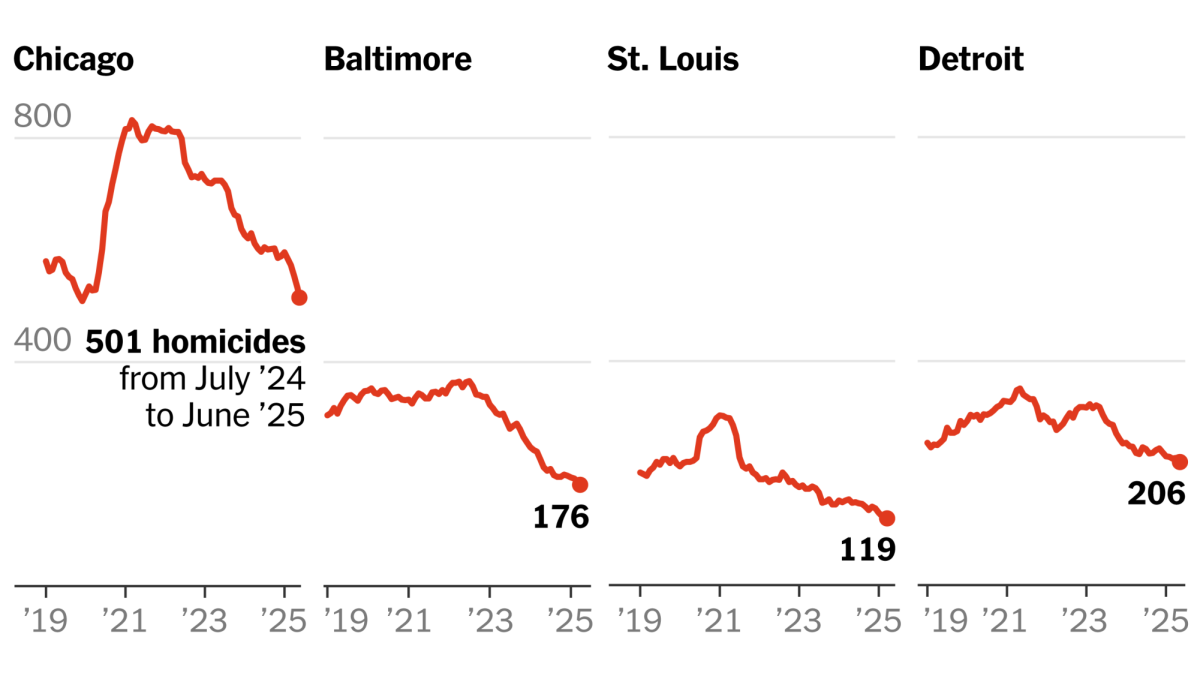
The decline was remarkably widespread, with 31 of the 35 major cities investigated reporting significant drops. Baltimore, for example, once a symbol of urban struggle in the US, saw a staggering 35% reduction in homicides compared to 2019. According to the New York Times, it hit an all-time record low. Similar stories came from Richmond, Virginia, which saw a 59% decrease and Los Angeles, where murders fell by 39%, as well as Washington D. C., a city notorious for stubbornly high crime rates, as said by CBS News.
Experts are cautious about attributing the drop to any single factor, but several theories have emerged. As the pandemic receded, the return of “eyes on the street” practices and informal community guardianship helped defuse conflicts that had turned lethal. The strategy was a concept originally championed by Jane Jacobs, and suggests that public safety is maintained when streets are busy and overlooked by people, including residents, shopkeepers, and pedestrians. Analysts from the Times and CBS News say that the post-pandemic return of people to public spaces may have played a critical role in the crime drop in reference to this natural surveillance.
Furthermore, billions in federal funding from the American Rescue Plan and the Bipartisan Safer Communities Act allowed cities to invest more in violence intervention on a community-level, as well as pay more attention to mental health services. Police departments shifted toward “focused deterrence”, a strategy that prioritizes engagement with the small number of individuals most likely to be involved in these violent incidents.
President Trump has credited his own administration’s discipline and the deployment of National Guard troops to select areas for the decline in crime. However, criminologists like Alex Piquero of the University of Miami point out that crime fell just as sharply in cities where federal intervention was absent. A Times examination also noted that current high-profile immigration enforcement operations involve detainees with violent priors in only 7% of cases, which suggests that broader social stabilizers are the primary drivers of the safer streets, not specific federal targeting.
While the numbers are historic, researchers warn that the trend requires sustained effort to maintain. The CCJ noted that there is never one reason crime fluctuates and warned that the expiration of federal pandemic-era funding in 2026 could remove a critical safety net for local governments.
For now, though, the data tells a story of a country finally able to find its footing, proving that the record-breaking, terrifying trends of violence of the early 2020s were an exception to a long-term downward trend in American history.