




























































































As foreshadowed in “Capturing Tenafly over the Years (Part 1): Tenakin’s Legacy,” if Tenakin is a time capsule, the Tenakin staff are the ones sealing it shut, page by page, nestling countless memories in between.
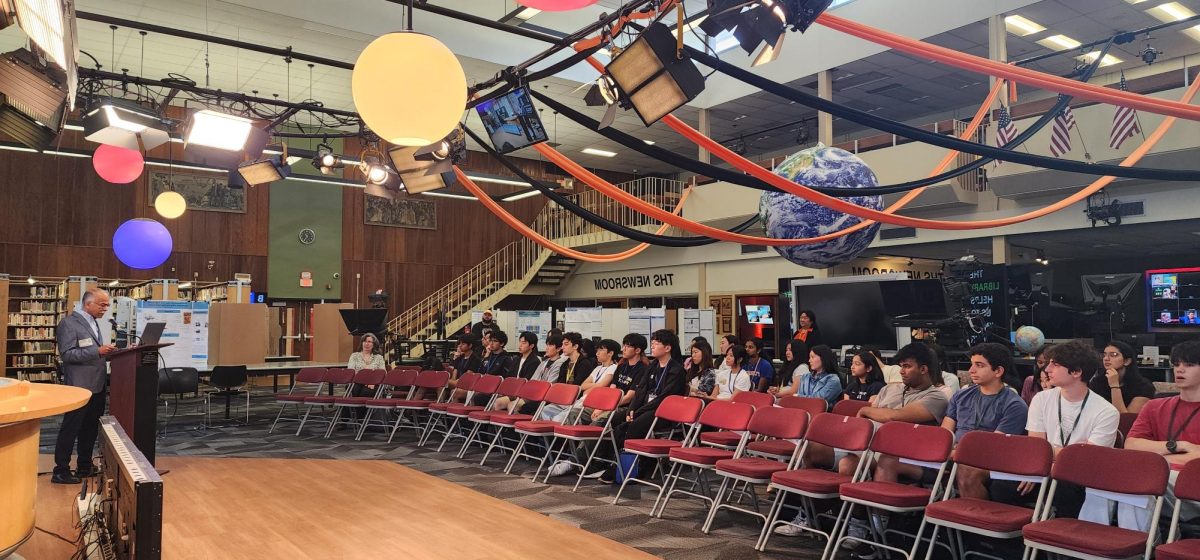
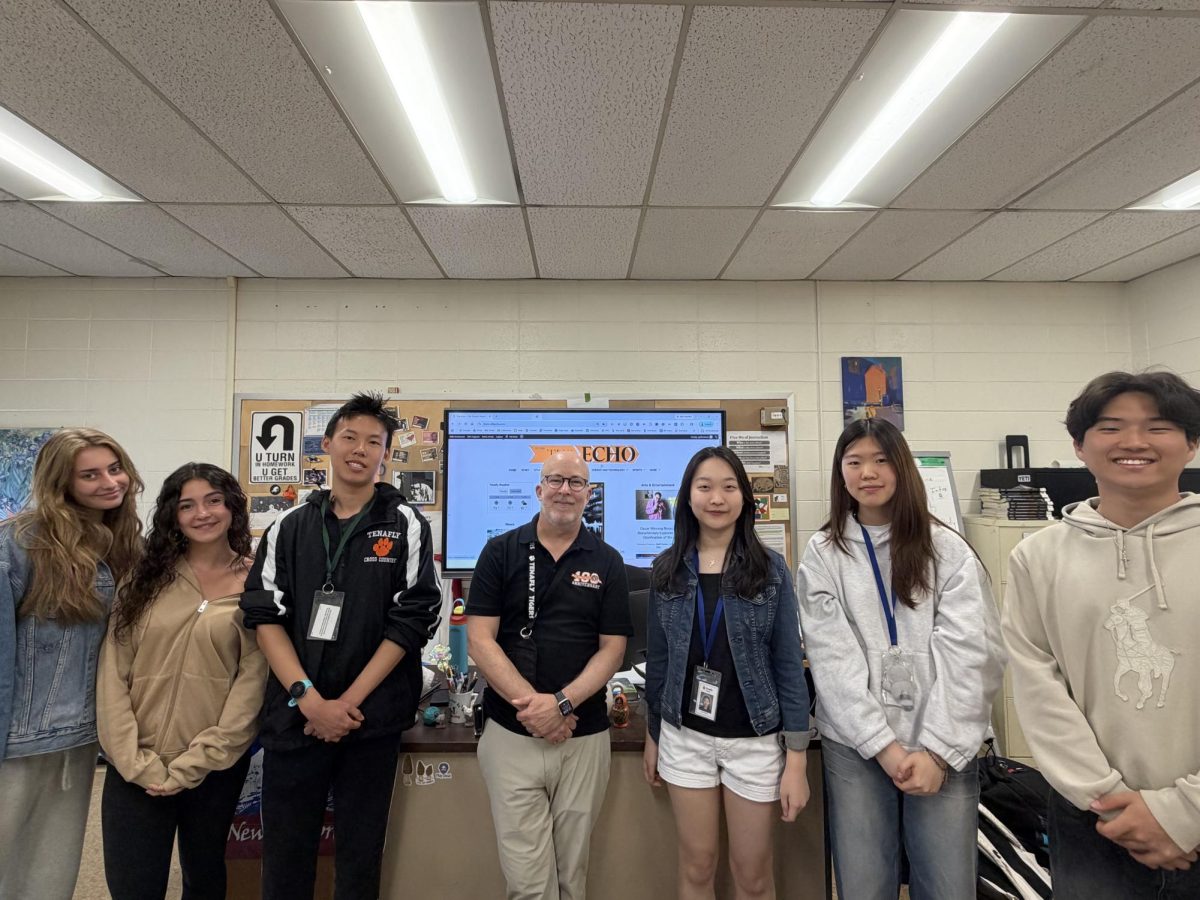
As the school year enters its final stretch and students are thinking about spring break, AP exams, and the slow approach of the summer, the Tenakin staff is working through deadlines and final edits, creating a record that someone years from now will open and study the same way students open old editions today. The present rushes past for most people, but for the staff, it is constantly being paused, measured, and placed carefully on the page.
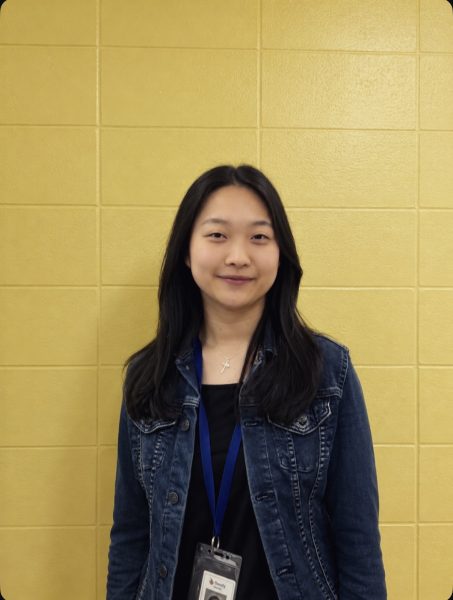
“The process is constant and fast-paced,” Communications Editor Camille Osborne (’26) said. “We’re always working on something: taking photos, conducting interviews, designing spreads, updating spreadsheets. Everyone is helping each other bring the book together piece by piece until we meet the final print deadline.”
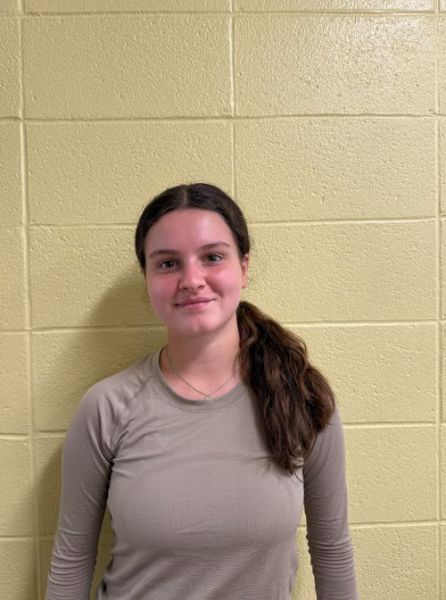
“At the first planning meeting, anyone interested in leadership roles has the opportunity to try out for different editing positions,” Copy Editor Ella Plotkin (’27) said. “Being an editor requires a lot of time and dedication, but it is a great role if you enjoy leading and collaborating with others. From that point on, the process is very hands-on and consistent. Every day, staff members are interviewing students, designing layouts, taking photos, and writing content. There are many moving parts, but each day is really about working hard and contributing to the bigger picture of the book.”
Each generation leaves its mark on the Tenakin in seemingly small but deliberate ways. A color choice here, a theme there—each choice becomes part of the book’s essence.
“We usually start by providing examples or a general vision for what we want the book to look like,” Plotkin said. “From there, we give staff members the freedom to interpret that vision in their own way. If something does not quite match what we are going for, we offer feedback and suggestions. It is really about finding a balance between structure and creativity.”
Fairness and accuracy are also considered crucial for preserving memories, especially since it’s not just one person deciding what version of the year gets remembered.
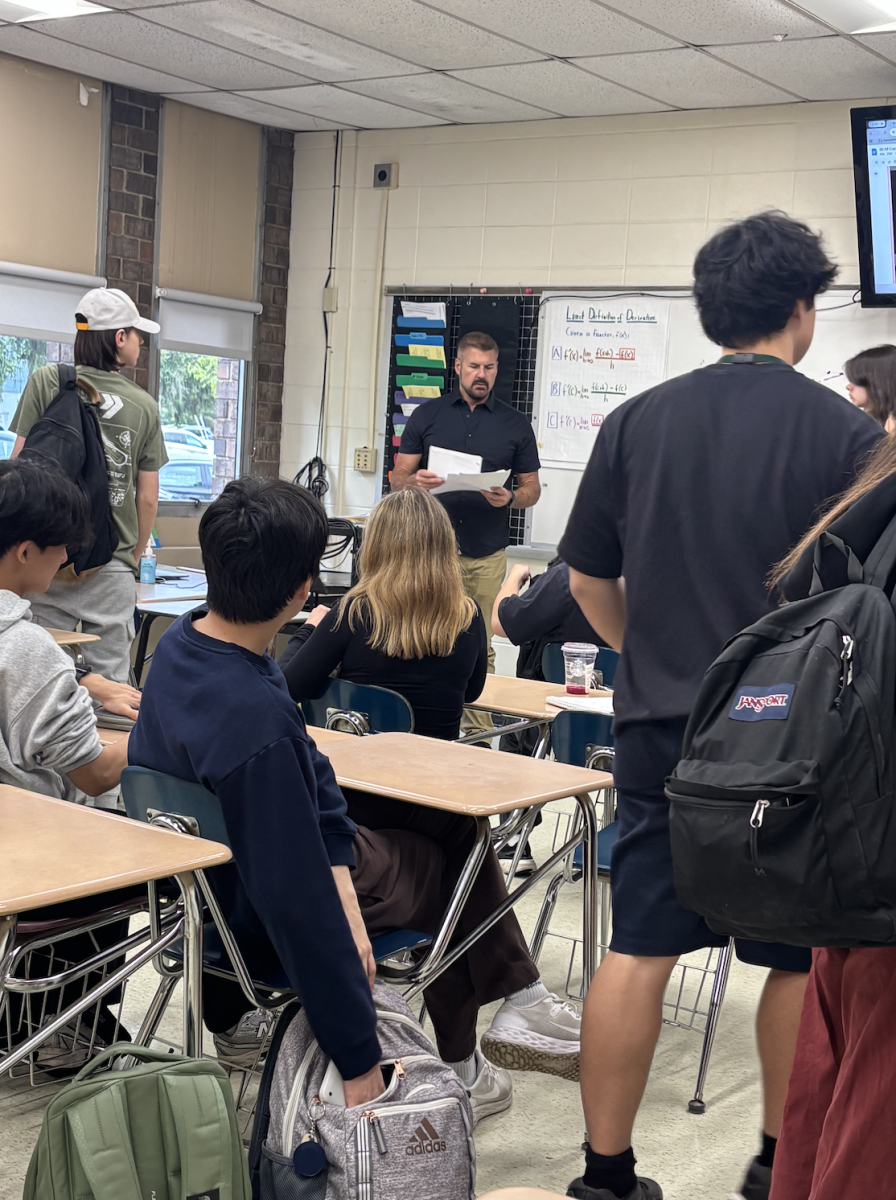
“Every single element you see on a spread—from how large a photo is, to font size, shape alignment, white space—is an intentional decision,” Kinoian said, referring to the two pages that make up a single spread. “Each spread goes through multiple reviews before it is deemed ready for print.”
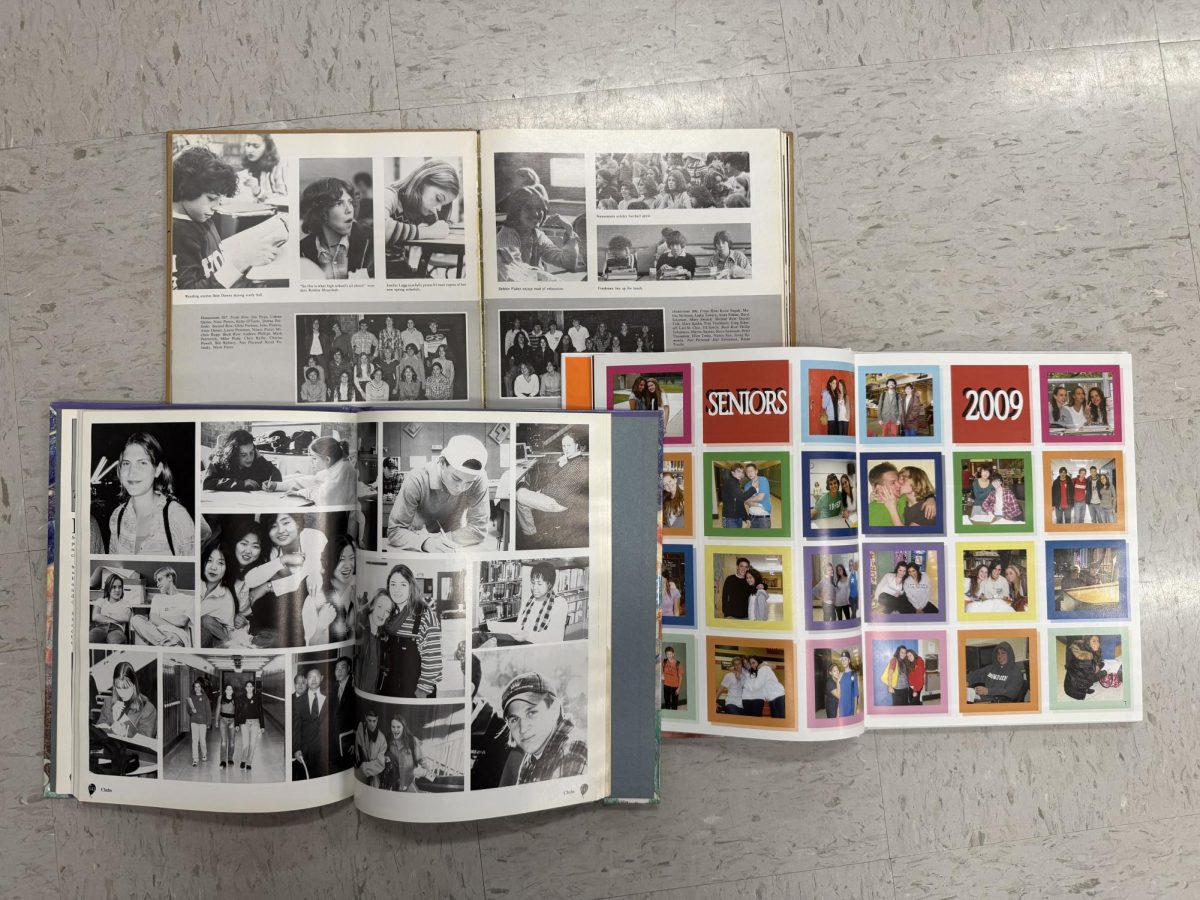
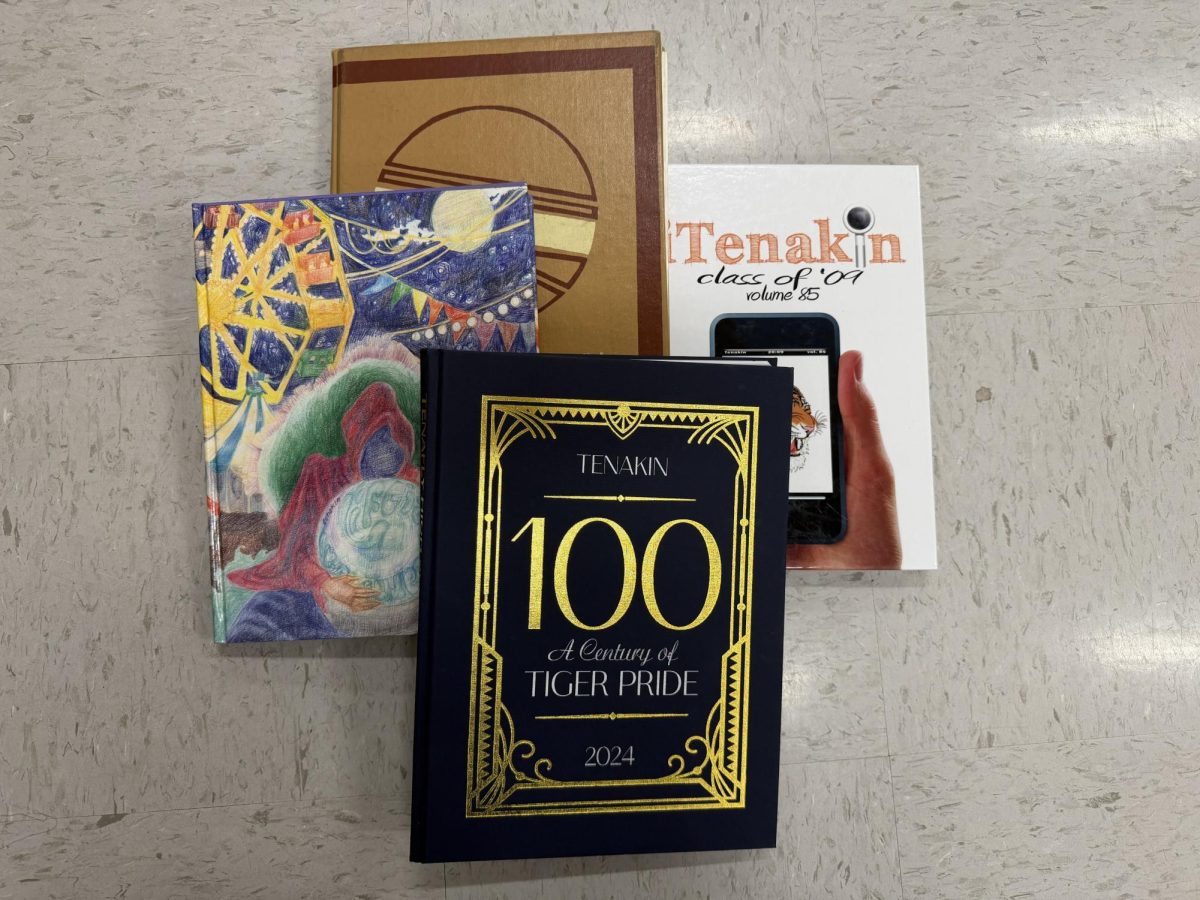
Tenakin itself has a long history. For generations, students at THS have curated the yearbook year after year, each staff inheriting something from the one before it. The formats, photography, and layouts are known to have changed. Some books are filled with writing, others with photographs. Some years are black and white, others bursting with color. Some are handmade, some crafted digitally. But the purpose has remained almost unchanged: to capture and preserve student life.
“Year to year, the content stays more or less the same, but we have to decide how we want to organize that content,” Kinoian said. “[During my first] year, we organized the yearbook seasonally and chronologically, starting with fall events and ending with spring events, and in between seasons, we added class portraits, starting with seniors and ending with [freshmen] and other interdisciplinary events and activities that took place, like the Olympics and school concerts. Last year, we chose to organize the yearbook by grouping similar content together.”
The structure of Tenakin affects how high school can be remembered either as a series of seasons or as overlapping identities and communities led side by side.
“Even though things may have felt chaotic at times,” Osborne reflected, “everything came together in the end. It shows that even the craziest chapters of our lives can still create something meaningful and complete.”
Plotkin further touches upon the complexities of creating the yearbook: “One of the biggest challenges is recognizing that everyone has different strengths. Leadership is about identifying what each person does well and helping them grow. That sometimes means giving feedback, but it is important to do that in a constructive and supportive way. I have learned that being a good leader is not about criticizing. It is about guiding people and helping them improve while keeping their confidence up.”
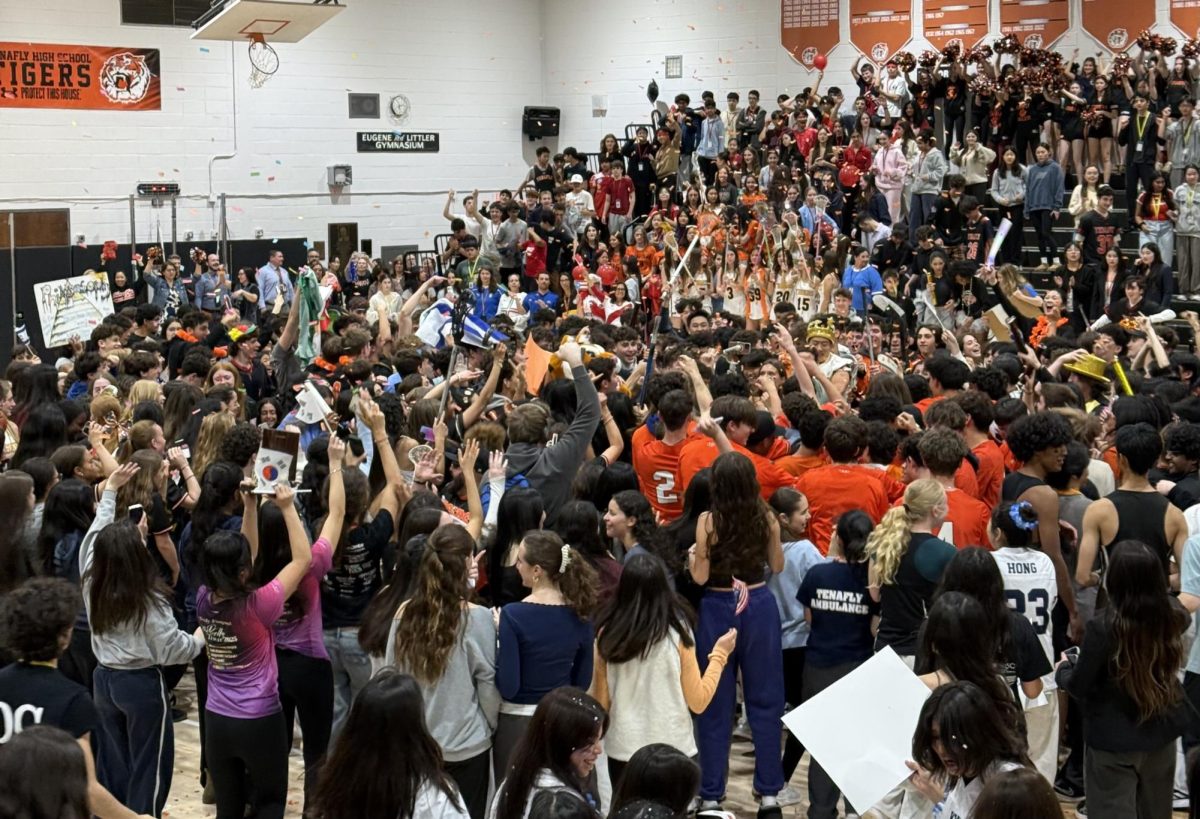
Historical continuity is part of what makes Tenakin so meaningful. A student flipping through editions from the 1920s, 1950s, 1980s, or 2020s sees familiar patterns such as the excitement of the first day of school, the energy of the Olympics, and the collaborative air of Coffee House. Every year, the staff wrestles with the responsibility of preserving life for the future, knowing that their decisions will become the “official record” for people who haven’t walked these halls yet.
“There is definitely a strong sense of responsibility,” Plotkin said. “Even though I am a junior, I try to think like a senior and imagine what I would want my yearbook to look like. That mindset pushes me to put in my best effort. I want everyone to feel proud of the final product.”
Above all, Tenakin is proof that the whole world is a series of miracles, and how humanity is so used to those miracles that they call them ordinary things. A hallway one walked every Monday morning, a classroom seen in passing, a snow-wet path from the parking lot. These are the details that vanish first—unless someone decides they’re worth saving.
“We are a THS Community, sure, but within these walls are so many clubs, organizations, sports teams, art groups, and more that no matter what your likes and interests [are], you have the opportunity to join a pocket of like-minded peers to befriend,” Kinoian said.
At its core, every Tenakin edition looks forward as much as it looks back: it is created for the classmates who will sign each other’s inside covers now, and for future students who will one day pull it from a shelf to understand what this building once felt like.
“It’s that whole, ‘you don’t realize you’re in the good old days until they’re gone’ idea,” Oppedisano said. “When you’re going through your year of high school, it’s hard to say, ‘let me be present and take all these snapshots of my senior year.’ You’re in it, you might be excited to graduate, or you’re thinking about your test and all, but when you’re older looking back, you can realize that a lot of those best moments in life are just those in-between moments.”
Tenakin cannot hold every second of a school year, but it can hold enough. It turns ordinary days into extraordinary, half-remembered jokes into something to cherish, and a single school year into a chapter in a much longer story.
So, my dear Tenafly readers, this is Tenakin’s way of capturing a moving year still.