















































































































































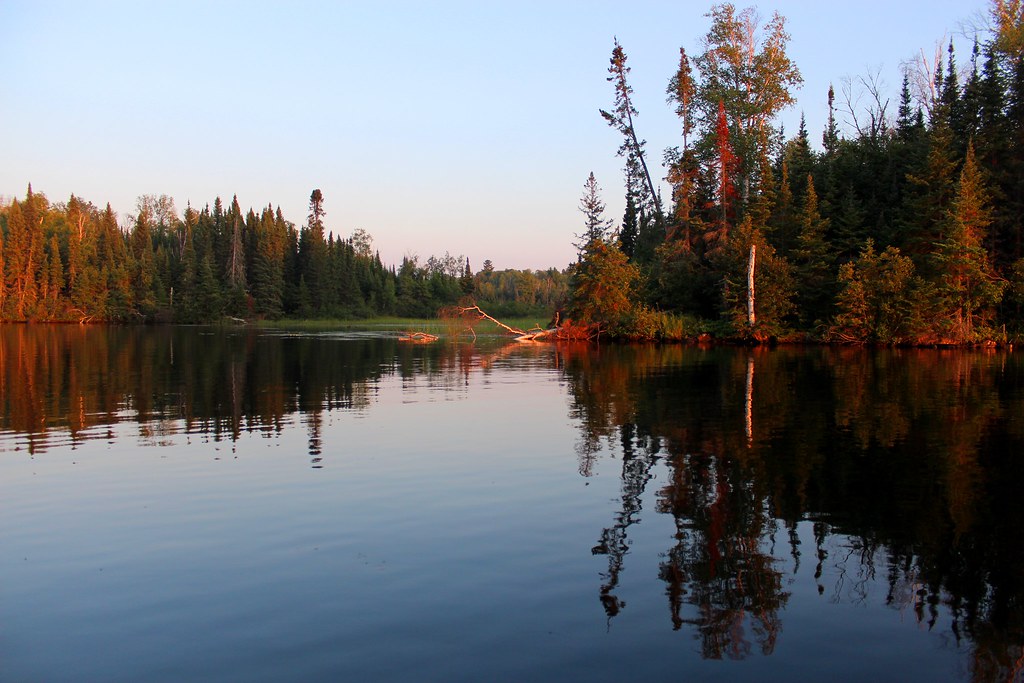
On April 16, in a 50-49 vote, the US Senate approved H.J. Res. 140, which will end the decades-old federal protections for the Boundary Waters Canoe Area Wilderness. The resolution will repeal a 20-year mining ban near the Boundary Waters, stripping over 225,000 acres of land in the Superior National Forest. The resolution now heads to the White House for President Donald Trump’s signature.
Passed using the Congressional Review Act, which eliminates the need for 60 votes in the Senate, this vote marks the first-ever repeal of a mineral withdrawal under the act, according to EarthJustice. Legal analysts warn that this unprecedented use of the law could set an example for future efforts to roll back federal land protections across the country.
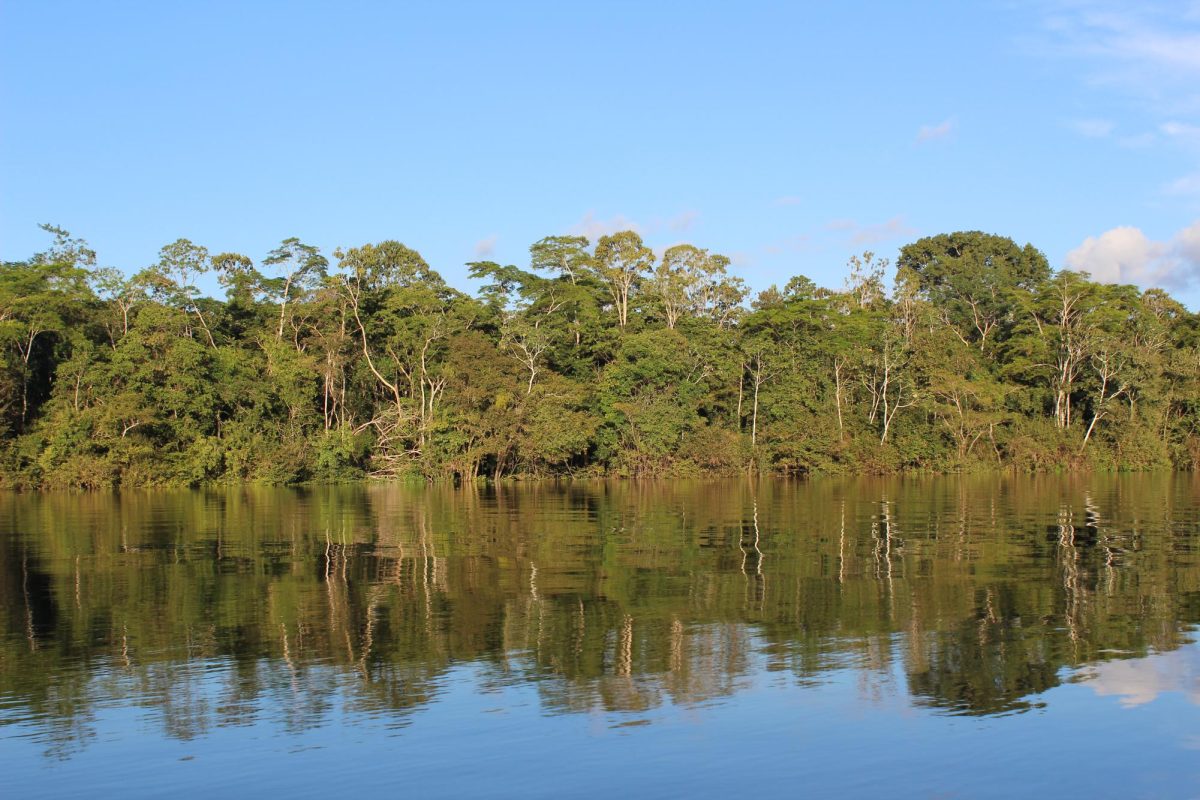
The decision has faced backlash from conservationists, who argue that the area is a unique, water-rich ecosystem that cannot withstand the specific pollution risks in sulfide-ore mining, according to AP News. The rock formations in the Duluth Complex, where Twin Metals Minnesota—the mining company behind the project—hopes to operate, are known to produce sulfuric acid when exposed to air and water. Because the Boundary Waters environment is highly interconnected, hydrologists warn that even localized leaks could contaminate the entire ecosystem, reaching areas as far as Voyageurs National Park, according to Minnesota Monthly.
“Water is life,” Margaret Levin, senior chapter director of the North Star Chapter in Minnesota of the Sierra Club, said following the vote. “As Minnesotans, we know this in our souls. These copper sulfide mining projects have terrible track records—in fact, a 100 percent failure rate at preventing spills. They simply do not belong in our water-rich state. It is our right and duty to protect this water. Republicans are voting against Americans’ interest[s] in clean water.”
Other activists joined the criticism, arguing that the decision prioritizes corporate interests over public land management.
“The Boundary Waters belong to everyone,” Julie Goodwin said, according to CourtHouse News. “They should be protected and enjoyed by all, not jeopardized to benefit a wealthy foreign company.”
Supporters of the resolution, however, claim that the vote is a necessary step for domestic economic independence and national security. Minnesota Representative Pete Stauber and other advocates argue that the moratorium hinders the US domestic supply chain for critical minerals like copper and nickel, especially necessary for the increase in production of electric vehicles and expansion of AI data centers, according to Public Domain. Proponents contend this project will generate hundreds of union jobs and strengthen national security by reducing reliance on foreign supply chains.
Despite the Senate’s approval, there is no guarantee that the initiative is going to proceed further. Twin Metals Minnesota will need to undergo several years of permitting at the state level as well as deal with probable legal disputes, according to MPR News. As the resolution inches closer to Trump’s desk, the focus will shift from the Senate floor to federal courts and state agencies. Environmental groups and tribal organizations have already committed to a protracted legal strategy, signaling that the debate over the Boundary Waters Canoe Area is unfinished.
“The Boundary Waters is a national treasure, and Americans visit it by the hundreds of thousands each year to enjoy the freedom to explore its pristine waterways and forests,” Abby Tinsley, senior vice president of conservation programs at The Wilderness Society, said. “The Senate just bulldozed over local voices and science-based management in order to give America’s public lands away to a foreign mining conglomerate. Future generations deserve better, and our fight to protect this special place is far from over.”
The coming months will likely see a cascade of permit applications met with aggressive litigation, leaving the ultimate fate of this water-rich landscape in the hands of courts and the regulatory processes that follow. For now, the region sits at a crossroads, where the push for domestic mineral independence and the desire to safeguard one of the country’s most pristine landscapes continue to pull in opposite directions.