










































































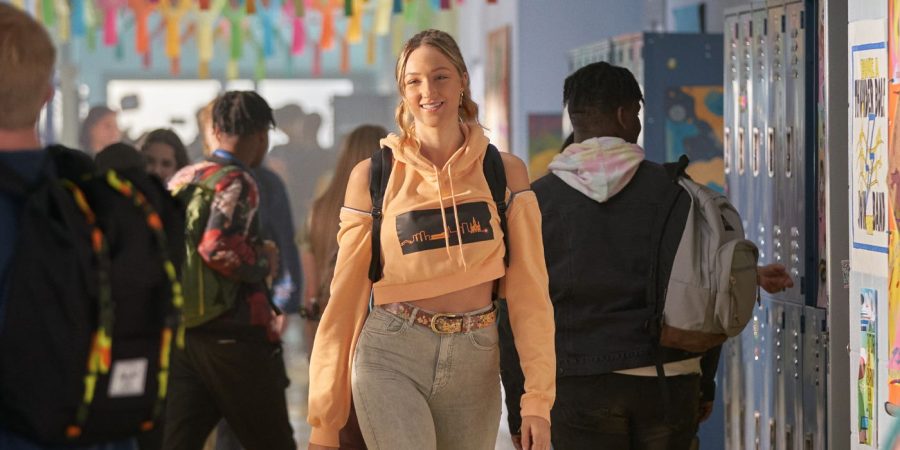






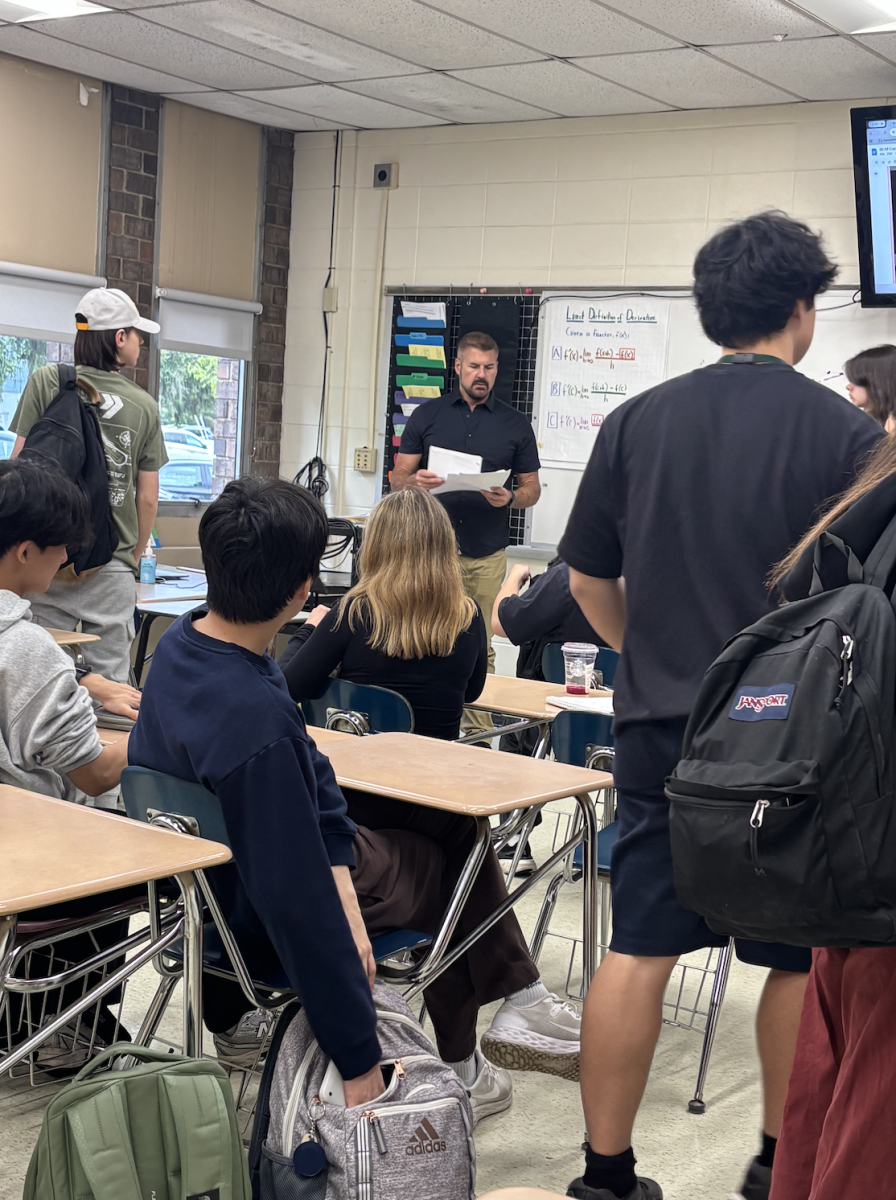




























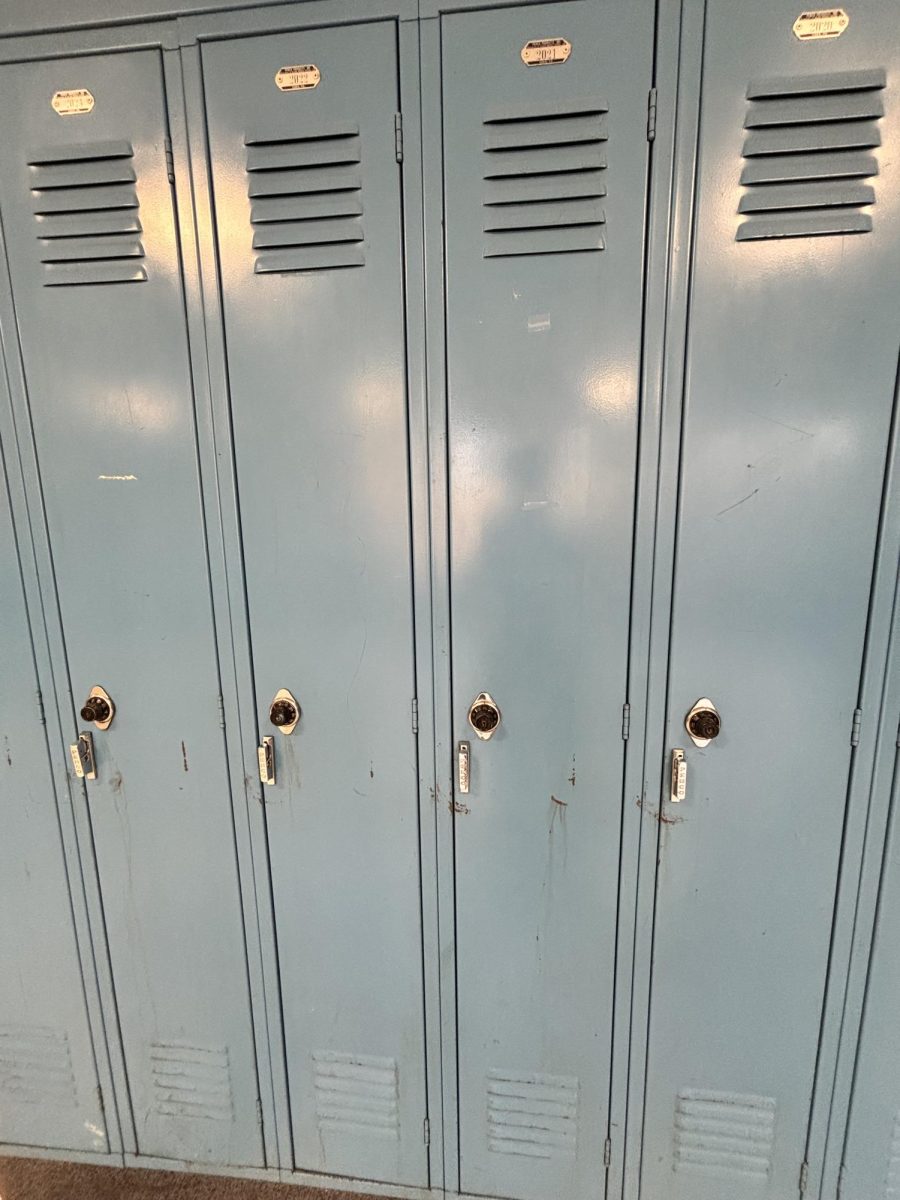
Once upon a time not long ago, lockers were the silent witnesses of Tenafly High School, guarding gym sneakers that never saw a gym and notebooks that had long since given up hope. Now, many of them sit empty, like forgotten phone booths, while students weave through the hallways bent slightly forward under the weight of their backpacks. The modern student carries everything: textbooks, laptops, binders, emotional baggage, and the low-grade paranoia of Have I forgotten to charge my laptop? In the age of optional lockers, the school hallways have become less of a place to stop and store and more of a fast-moving parade of low-slung backpacks.
For the 2025-26 school year, the Tenafly High School administration announced that locker assignments would be optional, citing consistently low usage among students. Instead of being automatically assigned a locker, students now have the option to request one by filling out a short Google Form, a change that reflects how rarely lockers were being used in daily school life. While lockers have been a fixture of the building since its earliest days, reports all claim that students’ interactions with their lockers have become fundamentally altered.
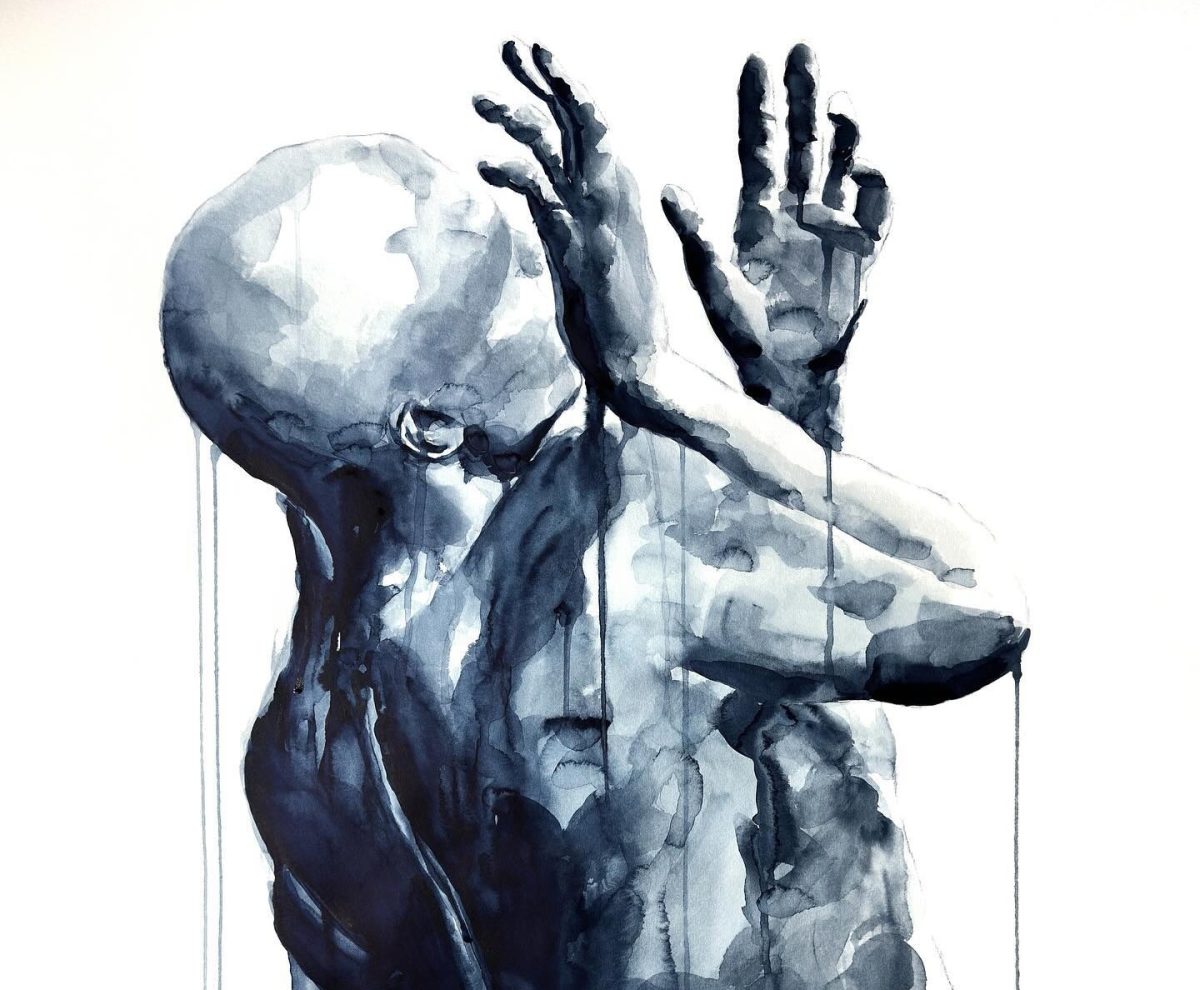
Scientific research, though, suggests that this trend may come with consequences. Studies have consistently shown that carrying heavy backpacks over long periods of time can contribute to poor posture, muscle strain, and long-term spinal issues in adolescents. According to New Hope Physio, “Prolonged exposure to constant stress on your shoulders from a heavy, uneven package will cause undue stress on muscles, poor posture and potential spinal misalignments.” This view is corroborated by the National Library of Medicine, The Journal of Clinical Chiropractic Pediatrics, and the U.S. Department of Education. Despite near-universal agreement within the scientific community about the risks of excessive backpack weight, students across the country continue to shoulder increasingly heavy loads. The average high schooler’s backpack often exceeds the recommended weight limit of 10% of a student’s body weight, raising questions about how convenience and academic pressure intersect with student health.
Beyond the physical demands of carrying backpacks, the administration weighed in on the decision to make lockers optional. “Lockers were being severely underutilized by students,” Mr. Peano, the vice-principal, said. According to Peano, he polled a group at a Little Cabinet meeting “and 100% of students there said they would not want a locker.” However, because the feedback came from a self-selected group of students attending a meeting specifically focused on policy discussion, the sample inherently reflects a confirmation bias and is unlikely to represent the student body as a whole. Students who attend such meetings may already be more inclined to support changes like eliminating lockers, raising questions about how broadly the results apply. While the administration emphasized its “non-waste” stance, it gave little indication that the policy would be reevaluated using a more representative survey of students.
Beyond storage and convenience, lockers have historically functioned as small, personal territories within the otherwise communal space of a school. For years, students decorated them with photos, magnets, stickers, and handwritten notes—tiny examples of identity and soul in a building where most things are shared. Lockers marked belonging, too, especially in athletic culture, where underclassmen often decorate the senior lockers as a way to honor the hard work and dedication the seniors have brought in the last few years. As lockers fade from everyday use, so does a subtle but meaningful form of self-expression, one that cannot be replicated by a backpack slung over one shoulder.
For many seniors, the shift to optional lockers has meant more than just carrying a backpack—it has ended a tradition years in the making. This year, limited locker availability has somewhat stifled this tradition. Without the lockers to decorate, seniors lost a public form of recognition they have waited four years to experience.
“When I was freshman and I saw all of the decorated lockers in the senior hallway, it made me excited for my soccer senior season,” Ava Chun (’26) said. The excitement Chun felt as a freshman did not match the reality she faced four years later. “When it actually came and we weren’t able to have our lockers decorated, it definitely made me feel a little bit disappointed after the four years of playing a sport in Tenafly High School.”
Moreover, many students say the shift to optional lockers is not because they choose not to use them but because they often do not have enough time to do so. With only a few minutes to travel between classes, sometimes across opposite ends of the building, stopping at a locker can be unrealistic. As a result, students are forced to carry textbooks, notebooks, and supplies with them throughout the day. Several students explained that even when they are assigned a locker, using it can mean risking being late to class. “If I went to my locker in between passing time, it would not be possible because, if I have one class on one side of the school and one on the complete opposite side, then even taking a minute at my locker would not work,” Richard Scolaro (’29) said. Limited passing time has made lockers impractical rather than unnecessary, further contributing to the decline in use.
In the end, the empty lockers lining the hallways tell a quiet story about how school life has changed. What were once daily destinations have become optional conveniences, edged out by packed schedules, heavy backpacks, and an emphasis on efficiency. While lockers may no longer be central to the rhythm of the school day, their absence has highlighted questions about student health, tradition, and the pace of modern education. Whether lockers remain relics or regain relevance, their gradual disappearance reflects a school adapting to how students move, learn, and carry their lives from class to class.